
Bring the Pattern, Not the Blur: Prepare for Your Orthopedic Visit
Orthopedic pain has a strange talent for becoming loud at 2 a.m. and vague by 9 a.m. in the exam room. Your knee was screaming on the stairs, your shoulder felt electric when you reached into the cabinet, your hip ruined the car ride, and then, under fluorescent lights, the whole story shrinks into: “It hurts.”
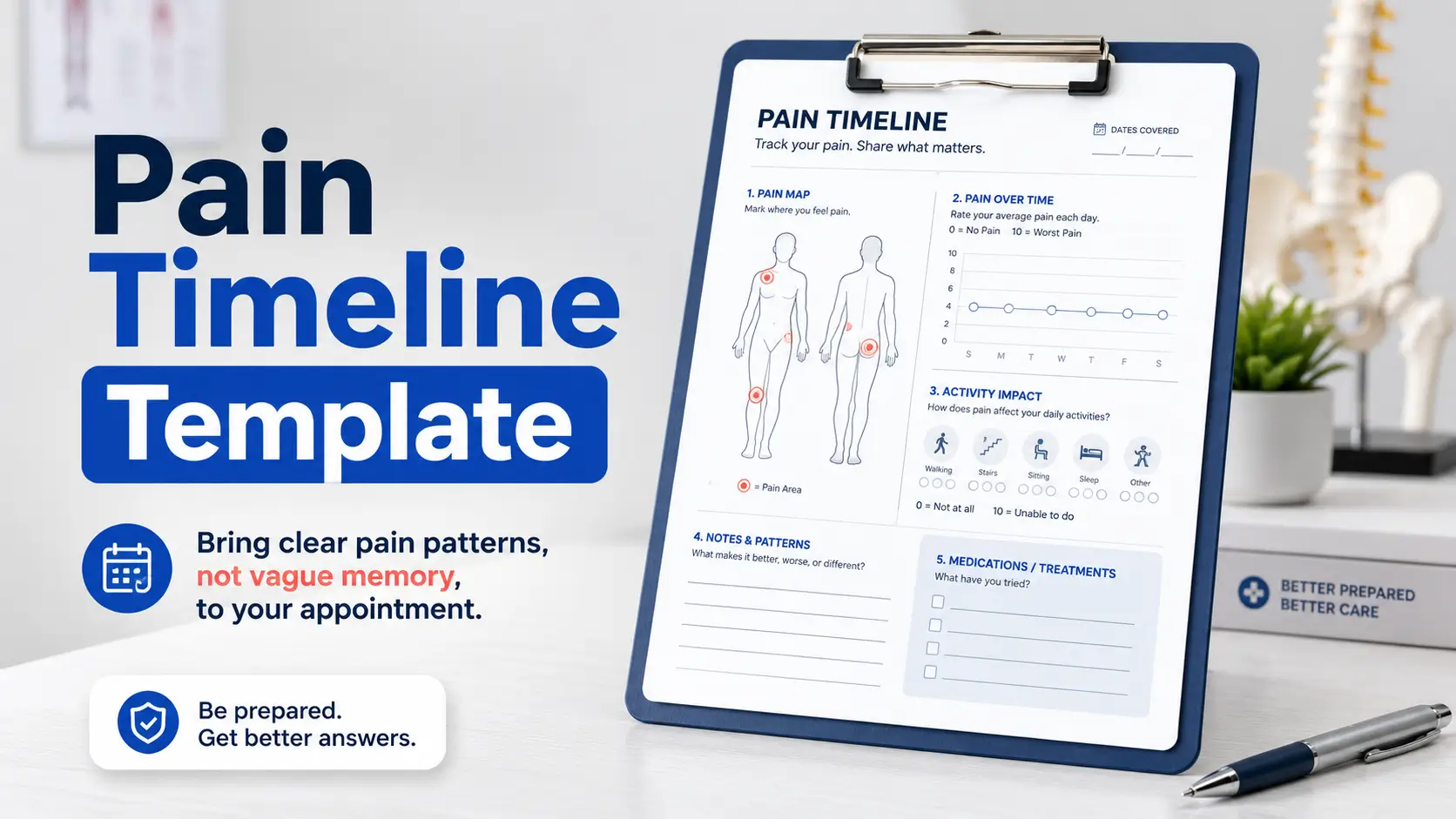
A pain timeline template before an orthopedic visit helps you bring the details your clinician actually needs: when pain started, where it travels, what triggers it, what helps, what failed, and what daily life now avoids like a suspicious puddle. It is not a diagnosis tool. It is a way to make your appointment cleaner, safer, and more useful.
Here is the practical truth: pain memory is emotional; medical decisions need patterns.
- Bring the pattern.
- Bring the red flags.
- Bring one clear page.
The One-Page Pain Story Your Doctor Can Use
A strong pain timeline does not need to be beautiful. It needs to be specific. Think of it as a weather report for your body: where the storm started, where it moved, what made it worse, what calmed it down, and what it interrupted.
The best version is simple enough to finish in 15 minutes and sharp enough to keep your appointment from turning into a memory scavenger hunt.
Table of Contents
Start With the First Clue, Not the Worst Day
Most people start their pain story with the worst day because that is the day they remember. Fair. Pain has a dramatic public relations department.
But for an orthopedic visit, the first clue may matter more than the loudest moment. The first clue helps your clinician understand whether the problem began after a clear injury, crept in from overuse, returned after a quiet period, or slowly built up like a bill you meant to open.
The exact moment pain entered the room
Write down the date, time, place, activity, and body position when the pain first appeared. You do not need courtroom precision. You need enough detail to orient the story.
Better than “my shoulder started hurting” is: “Right shoulder pain began Tuesday evening while lifting a suitcase into the car. Pain was sharp in the front of the shoulder and worse when reaching overhead.”
That one sentence gives location, trigger, side, timing, movement, and quality. It also saves five minutes of appointment fog.
Sudden, gradual, or “I ignored it for three weeks”
Onset style is a clue. Sudden pain after a fall, twist, pop, collision, or lifting event may point the visit in a different direction than soreness that slowly worsens over six weeks of pickleball, warehouse shifts, or laptop posture.
Use plain labels:
- Sudden: “Started immediately after I slipped on the stairs.”
- Gradual: “Built over two months after increasing walking distance.”
- Recurring: “Same knee flares every time I return to tennis.”
- Delayed: “Felt fine after the fall, then swelling began the next morning.”
Delayed pain is worth noting. The body sometimes sends the first postcard after the event has already left town.
Here’s what no one tells you…
A fuzzy date is still useful if you anchor it to real life. “After the move,” “after the 10K,” “after gardening weekend,” “after changing shoes,” or “after driving to visit family” can help your clinician reconstruct the timeline.
If you are dealing with back, hip, or leg symptoms that might overlap, internal notes about patterns can pair well with practical guides such as hip vs spine pain patterns or sciatica pain when walking, but your visit notes should stay focused on what you actually felt and when.
- Record the date or life-event anchor.
- Include the activity and body position.
- Separate sudden pain from gradual buildup.
Apply in 60 seconds: Write one sentence that starts, “The first time I noticed it was…”
Map the Pain Like a Weather Report
Pain location is not just geography. It is evidence. A clinician hearing “my leg hurts” has a continent. A clinician hearing “burning pain starts in the low back, runs down the outside thigh, and reaches the top of the foot” has a map.
Location first: point, circle, or pathway
Use three simple marking styles:
- Point: one fingertip spot, such as the inside edge of the knee.
- Circle: a broader area, such as around the kneecap or across the shoulder blade.
- Pathway: pain that travels, such as hip to thigh, neck to arm, or back to calf.
This is especially useful when symptoms could come from more than one place. Hip, spine, knee, and nerve pain sometimes wear each other’s jackets. Sneaky little wardrobe department.
Radiation matters more than dramatic wording
“Unbearable” tells your clinician intensity. “Shoots to the calf when I cough” tells your clinician pattern. Both matter, but pattern usually does more work.
Try phrases like:
- “Pain wraps from the back of the hip to the front of the thigh.”
- “Tingling runs into the thumb and index finger.”
- “Knee pain stays on the inner joint line and does not travel.”
- “Burning starts after ten minutes of standing.”
If your pain feels like nerve pain, comparing your own symptom language with a guide on nerve pain vs muscle soreness after physical therapy may help you choose clearer words before the visit.
Use a body map before memory gets slippery
Draw a simple front and back body outline. No artistic talent required. Stick figures have served humanity well.
Mark pain with dots, arrows, circles, and dates. Use one color or symbol for pain, another for numbness, and another for swelling. If symptoms move, draw arrows. If symptoms changed over time, add dates beside the marks.
When did pain first appear?
Where is it, and does it travel?
What reliably makes it worse?
What helped, failed, or backfired?
What can you no longer do normally?
Build the Timeline in Five Columns
A five-column pain timeline is the sweet spot: detailed enough to be useful, simple enough to finish without needing a second coffee and a minor in medical administration.
| Column | What to write | Example |
|---|---|---|
| Date / time | When the change happened | May 3, evening |
| Trigger / activity | Movement, task, injury, or no obvious trigger | Downstairs after pickleball |
| Pain score / quality | 0–10 plus words like sharp, dull, burning, stiff | 7/10 sharp, catching |
| What helped / failed | Ice, heat, rest, brace, medicine, exercises | Ice helped swelling for two hours |
| Function impact | What pain stopped or changed | Avoiding stairs; sleep interrupted |
Date and time
Use the day and rough time. “Morning,” “after work,” and “middle of the night” are fine. The goal is to show sequence.
Trigger or activity
Include lifting, stairs, walking, typing, driving, gardening, sleep position, exercise, a fall, a twist, or “nothing obvious.” “Nothing obvious” is not failure. It is a data point.
Pain score and quality
A 0–10 pain score is useful, but it is not enough. Pair it with quality: sharp, dull, burning, throbbing, stiff, catching, locking, numb, tingling, heavy, or unstable.
“7/10” floats in the air. “7/10 sharp pain under the kneecap when standing from a chair” lands.
What helped or failed
List ice, heat, rest, stretching, brace use, medication, elevation, massage, topical creams, shoe inserts, or physical therapy exercises. Include what did not help. Failed attempts are not embarrassing; they are breadcrumbs.
For temperature-based home care, readers often compare heating pad vs ice wrap. Still, your timeline should say what happened in your body: less swelling, more stiffness, brief relief, worse throbbing, or no change.
Function impact
Function is the bridge between pain and real life. Record what pain changed: sleep, stairs, driving, work, dressing, cooking, sports, childcare, showering, walking distance, or bathroom safety.
Money Block: 15-Minute Timeline Builder
Use this when: your visit is soon and you need a useful one-page summary fast.
- Minute 1–3: Write the first pain clue and the worst pain episode.
- Minute 4–7: Add three triggers and three things that help or fail.
- Minute 8–11: Map where pain travels, including numbness or tingling.
- Minute 12–14: List function limits: sleep, stairs, work, walking, driving.
- Minute 15: Circle red flags and your top question.
Neutral action: Print it, save it on your phone, or bring both if portals make you grumpy.
Show me the nerdy details
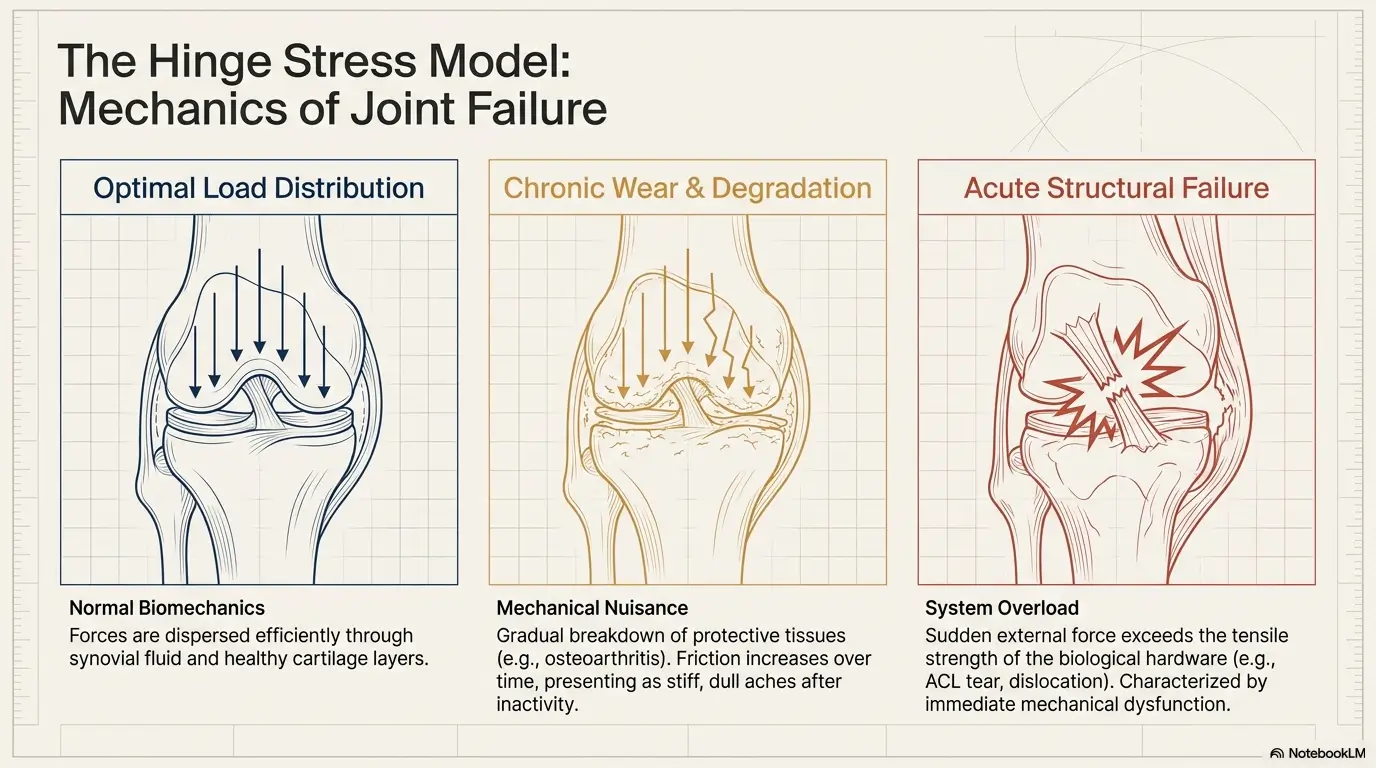
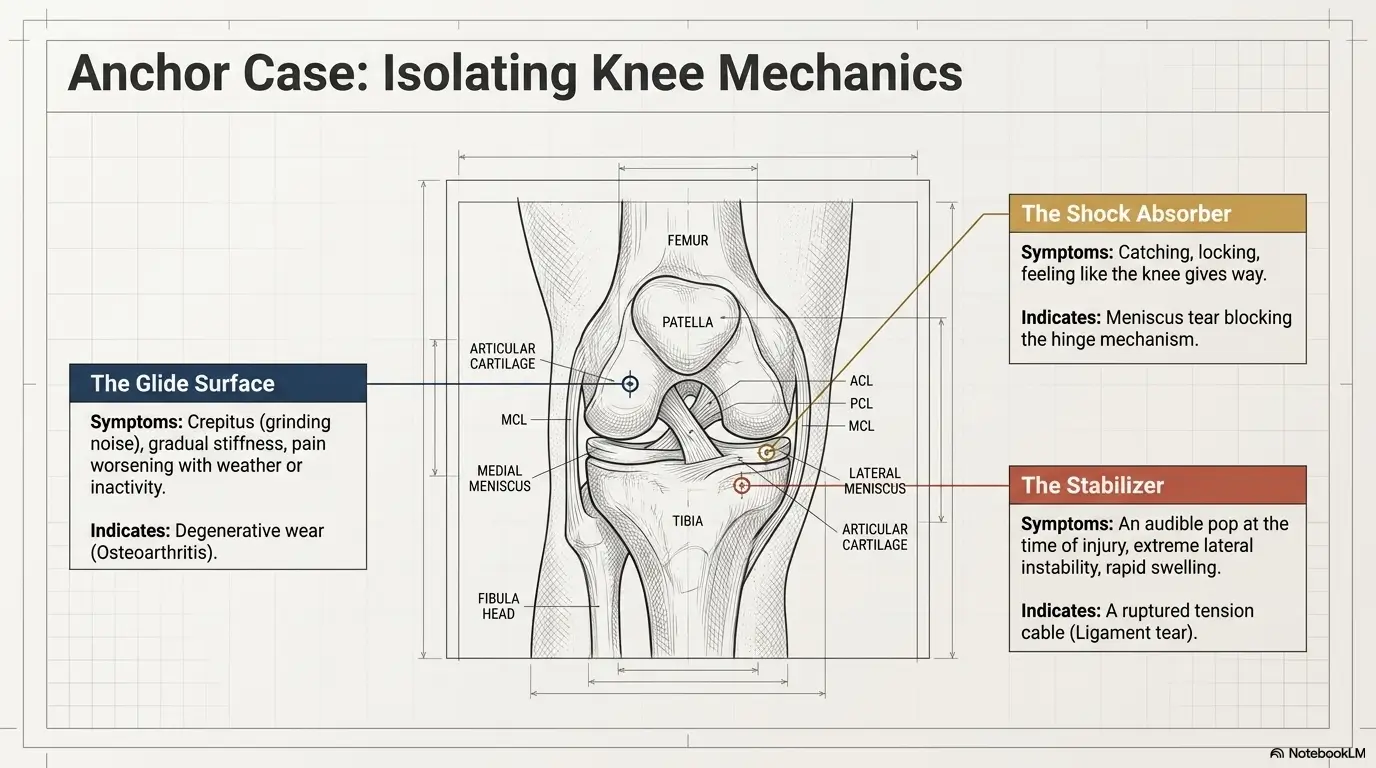
Clinicians often reason through pain using timing, anatomy, mechanism, severity, associated symptoms, and function. A timeline helps because it preserves sequence. For example, swelling that appeared immediately after a twist may tell a different story than stiffness that grows during a workweek and eases with rest. Pain quality also matters: burning and tingling may suggest nerve involvement, while catching or locking may suggest a mechanical pattern. These are not diagnoses by themselves. They are structured clues that help the visit move from scattered memory to a more testable clinical question.
Don’t Bring a Novel: Bring the Pattern
A long pain diary can be useful for certain conditions, insurance paperwork, disability claims, or complex chronic pain. But for a standard orthopedic visit, a 19-page saga may bury the signal.
Your job is not to write the medical version of a Victorian novel. Your job is to make the pattern visible.
The “three best examples” rule
Choose three episodes:
- First pain: the earliest clue you remember.
- Worst pain: the episode that made you seek help.
- Most recent pain: what symptoms are doing now.
These three examples usually show onset, severity, and current status. That gives the clinician a clean arc.
Skip the courtroom transcript
You usually do not need every tiny sensation from every hour unless your clinician asked for that level of tracking. Instead of 40 entries, bring the repeated pattern.
For example: “Pain reliably worsens after 15 minutes of standing, eases when sitting, and returns when walking uphill.” That one sentence does more than a confetti cannon of scattered notes.
Let’s be honest…
Most people remember pain emotionally. That is normal. Pain interrupts sleep, work, mood, and patience. It steals small freedoms first: the stairs, the leash, the laundry basket, the driver’s seat.
The timeline turns that emotional fog into a signal your clinician can use.
Short Story: The Staircase Note
Marcus arrived at his orthopedic appointment with a familiar sentence: “My knee is bad.” He had rehearsed it in the parking lot, then lost the details at the front desk, somewhere between insurance cards and a clipboard that asked the same question three ways. The night before, his daughter had made him write three lines:
first pain after weekend pickleball, worst pain walking downstairs with laundry, most recent pain after sitting through a work meeting. He added one more line: “I need stairs to feel safe again.” That changed the visit. The clinician could ask better questions because the pattern was already on paper. Not perfect. Not poetic. Just useful. The lesson is simple: a short timeline does not make you a difficult patient. It makes you easier to help.
Who This Is For / Not For
A pain timeline is helpful for many planned visits, but it should never become a permission slip to wait through danger signs.
This is for planned orthopedic visits
Use this template for knee pain, shoulder pain, hip pain, back pain, neck pain, foot pain, tendon pain, sports injuries, arthritis symptoms, post-fall soreness, or recurring pain that keeps returning like an unwanted subscription.
It is especially useful when symptoms are intermittent. Pain that disappears in the exam room can still leave a pattern behind.
This is for second opinions too
A clean timeline helps if you already had X-rays, injections, physical therapy, surgery, or a prior diagnosis that no longer explains your daily life.
If your imaging was normal but pain continues, a timeline may help you explain why the issue still needs review. Readers in that situation may also find context in normal X-ray but pain continues and MRI pain mismatch.
This is not for emergency guessing
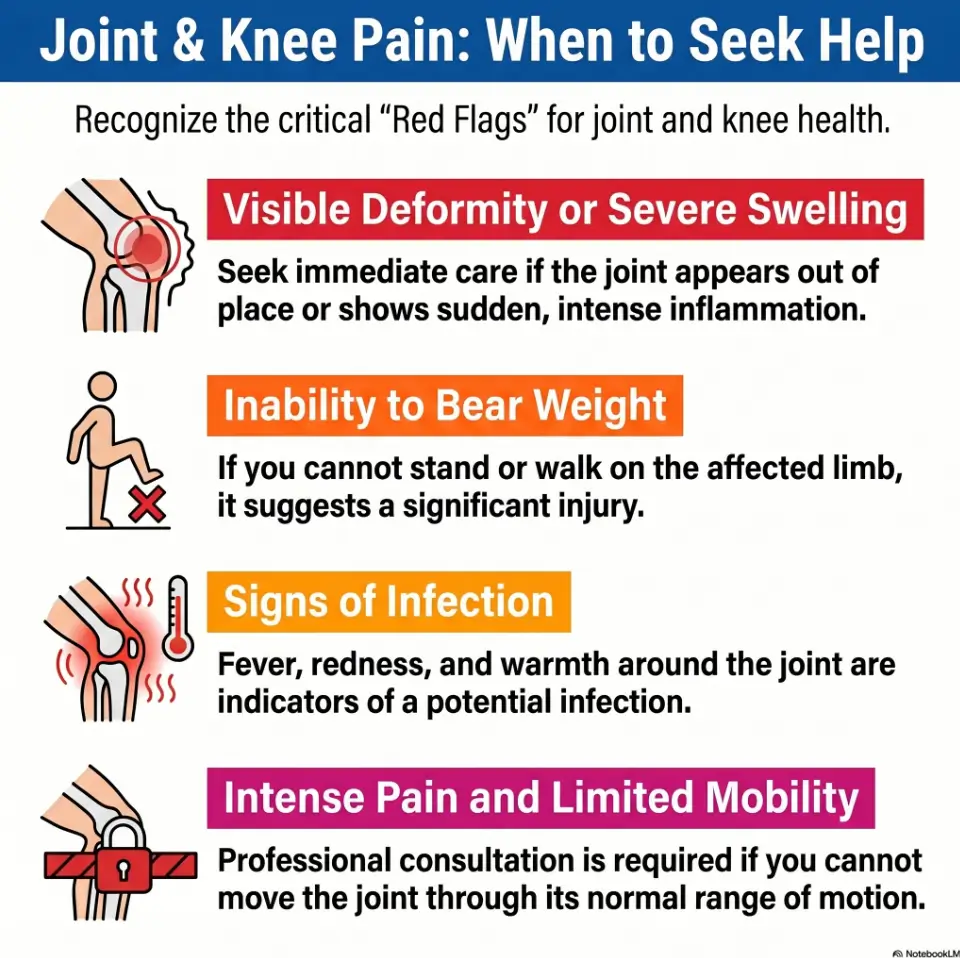
Severe injury signs, fever with joint symptoms, sudden inability to bear weight, visible deformity, spreading redness, rapidly worsening pain, new weakness, or loss of bladder or bowel control need prompt medical attention. Do not polish the spreadsheet while the house is smoking.
Money Block: Planned Visit vs Urgent Check
| Situation | Better next step |
|---|---|
| Recurring knee pain after stairs, no fever, no major swelling | Prepare timeline for scheduled orthopedic visit |
| Visible deformity after a fall | Seek urgent evaluation |
| Joint pain with fever, warmth, redness, or severe swelling | Call a medical professional promptly |
| Pain interrupting sleep or work for weeks | Schedule a real review; bring timeline |
Neutral action: If you are unsure whether symptoms are urgent, call your clinician, urgent care, or emergency services based on severity.
The Red-Flag Page Goes on Top
Red flags should not be hidden in paragraph seven under “also, one more thing.” Put them at the top of your notes.
Medical visits have time pressure. A visible red-flag list helps your clinician sort urgency before discussing braces, exercises, imaging, or follow-up timing.
Symptoms that should not hide in paragraph seven
Write these clearly if they apply:
- Fever with joint pain
- Severe swelling, redness, warmth, or tenderness
- Visible deformity after injury
- Inability to bear weight or use the joint
- New weakness, numbness, or spreading tingling
- Night pain that is new, severe, or worsening
- Loss of bladder or bowel control with back or leg symptoms
- Recent fall, collision, twist, or direct blow
Mayo Clinic advises medical attention for joint pain with swelling, redness, warmth, tenderness, or fever, and urgent care for injury-related deformity, inability to use the joint, severe pain, or sudden swelling.
When pain changes from annoying to urgent
Escalation matters. Tell your clinician if symptoms are spreading, waking you at night, stopping normal tasks, causing falls, changing your walking pattern, or making the limb feel weak or unstable.
“It got worse” is useful. “It went from sore after tennis to waking me every night and making stairs unsafe within two weeks” is much more useful.
Keep medication changes visible
Put medication changes near the top, especially blood thinners, steroids, immune-suppressing medicines, recent antibiotics, new pain relievers, and medication allergies.
Also note if you cannot take common pain relievers because of kidney disease, stomach bleeding history, blood thinner use, allergy, pregnancy, liver disease, or clinician instructions. This can affect the options discussed at the visit.
- List fever, swelling, redness, warmth, weakness, numbness, and injury details.
- Note medication allergies and blood thinner use.
- Do not wait for a planned visit if symptoms are severe or rapidly worsening.
Apply in 60 seconds: Add a “red flags” line at the top of your timeline and write “none noticed” if none apply.
Common Mistakes That Waste the First 10 Minutes
The first 10 minutes of a visit can vanish quickly. Some of that is unavoidable. Some of it happens because the pain story arrives tangled.
Mistake 1: Only saying “it hurts”
Try this upgrade:
Instead of: “My knee hurts.”
Say: “Right knee pain, inside edge, worse going downstairs, started after pickleball, swelling the same evening.”
That sentence is tidy enough to fit on a sticky note and useful enough to steer the conversation.
Mistake 2: Hiding what already failed
Readers often skip failed home care because they worry it sounds silly. Bring it anyway.
Tell your clinician if you tried rest, ice, heat, stretching, a brace, shoe inserts, over-the-counter medicine, topical creams, physical therapy exercises, activity changes, or a TENS unit. For knee symptoms, a record of trying a TENS unit for knee pain or a hinged knee brace for stairs may help clarify what gave relief and what did not.
Mistake 3: Forgetting the ordinary stuff
Sleep, shoes, desk posture, car rides, stairs, grocery bags, bathroom safety, and carrying laundry can matter more than the dramatic gym story.
Orthopedic pain lives in ordinary tasks. It often tells the truth while you are getting into a low car, sitting through a meeting, turning in bed, or trying to put on socks with the dignity of a folding chair.
Money Block: The “Better Sentence” Swap
| Vague sentence | Better appointment sentence |
|---|---|
| My hip hurts. | Left outer hip pain wakes me when side-sleeping and worsens after long car rides. |
| My back is bad. | Low back pain spreads into the right calf after standing 10 minutes and eases when sitting. |
| My shoulder is messed up. | Right shoulder pain began after lifting luggage and now limits reaching overhead. |
Neutral action: Rewrite your main complaint as one body part, one trigger, one location, and one function limit.
Add the Treatment Trail Without Self-Diagnosing
Your clinician needs to know what has already been tried. That does not mean you need to arrive with a diagnosis printed from the internet and highlighted like treasure map parchment.
Use symptom language first. Labels can come later.
What you tried
Record home care and professional care:
- Rest or activity reduction
- Ice, heat, compression, elevation
- Stretching or strengthening exercises
- Braces, splints, sleeves, shoe inserts, pillows, cushions
- Over-the-counter pain relievers or topical creams
- Physical therapy, injections, chiropractic care, massage, or prior surgery
If shoulder pain is linked with computer work, mention equipment changes such as an ergonomic mouse for shoulder pain. If wrist symptoms flare while typing, note any use of a wrist splint for typing pain. Practical details matter.
What changed afterward
For each treatment attempt, write the result in plain timing:
- Helped for 20 minutes
- Helped for the rest of the day
- Reduced swelling but not pain
- Made stiffness worse
- No noticeable change
- Stopped because of side effects
Relief duration is a useful clue. Two hours of improvement and two weeks of improvement are different animals.
The label trap
Avoid writing “torn meniscus,” “pinched nerve,” “rotator cuff tear,” or “arthritis flare” unless a clinician already diagnosed it. Instead, write what you observed: clicking, locking, swelling, pain with twisting, pain down the leg, tingling, stiffness, weakness, or trouble lifting the arm.
Symptom language gives your clinician room to examine, test, and decide. Amateur labels can accidentally narrow the conversation too early.
Bring Evidence, But Don’t Bury the Doctor
Evidence helps. Evidence avalanches do not. Your goal is one organized packet, not five patient portals, three screenshots, and a printout that looks like it escaped a fax machine in 2004.
Imaging and reports
Bring or upload copies of X-ray, MRI, CT, ultrasound, prior surgical notes, physical therapy notes, injection records, and relevant lab results if you have them.
If you are trying to understand whether imaging might be discussed, guides such as MRI referral for orthopedic pain and orthopedic pain management before asking for MRI may help you prepare questions. Still, your clinician decides what is appropriate based on exam, history, risk, and prior care.
Photos can help when swelling comes and goes
Use dated photos for swelling, bruising, redness, visible deformity, or brace fit when symptoms come and go. Keep them simple and relevant. One clear photo beats 27 dramatic angles taken under kitchen lighting with the mood of a detective show.
Do not rely on photos alone. Pair each image with date, trigger, pain score, and function impact.
One folder beats five portals
Create one folder with:
- Pain timeline
- Medication and allergy list
- Imaging report copies
- Prior treatment list
- Insurance card and referral paperwork
- Top three questions
If cost or referral friction is part of your visit planning, internal resources on telehealth vs in-person orthopedics, urgent care vs orthopedic clinic, and orthopedic referral wait times can help you think through logistics before symptoms steal another week.
- Use one folder for reports, medication lists, and questions.
- Date photos of swelling or bruising.
- Put the timeline first, not last.
Apply in 60 seconds: Create a phone album or folder named “Ortho visit” and add only the most relevant items.
Turn Daily Life Into Clinical Clues
Orthopedic pain is not just what happens during exercise. It is what happens when life asks your body to do ordinary work.
Pain during stairs, sleep, sitting, standing, and walking
Record how pain behaves during everyday loading:
- Going upstairs versus downstairs
- Sitting longer than 30 minutes
- Standing in line
- Walking uphill or downhill
- Rolling in bed
- Getting in and out of a car
- Rising from a chair
If your symptoms are back or leg related, details from daily-life tasks can connect with resources such as sciatica going down stairs, getting in and out of a low car with sciatica, and sit-stand schedule for desk job sciatica.
Work and caregiving demands
Work demands are clinical clues. Mention lifting, kneeling, standing time, keyboard use, driving time, shift work, caregiving, stairs, carrying groceries, or job restrictions.
If pain affects your job, your notes should include what task is limited, how often it occurs, and whether modified duty is already being used. For work-related injuries, documentation can be especially important; readers may also review workers’ comp settlement documentation for broader context.
The “one thing I need back” sentence
Write one priority sentence. This makes the visit human and practical.
- “I need to walk my dog safely.”
- “I need to return to work without lifting pain.”
- “I need to sleep through the night.”
- “I need to climb stairs without feeling unstable.”
- “I need to drive 40 minutes for caregiving.”
This sentence helps frame treatment goals. Pain care is not just about numbers; it is about returning life to its rightful owner.
When to Seek Help Before the Appointment
A timeline is useful only if it moves you closer to care. It should never become a delay machine.
Same-day or urgent evaluation signs
Seek prompt medical guidance for injury with deformity, inability to use the joint, severe pain, sudden swelling, fever with joint symptoms, red or warm swollen joint, new weakness, numbness, rapidly worsening pain, or back/leg symptoms with loss of bladder or bowel control.
Mayo Clinic flags severe injury symptoms and joint pain with fever, swelling, redness, warmth, or tenderness as reasons to seek care. For severe back symptoms involving bladder or bowel control, emergency evaluation is commonly advised because nerve compression can be serious.
Persistent pain deserves a real review
Pain that affects sleep, work, walking, caregiving, or daily tasks should not be managed forever with “wait and see.” Waiting can be reasonable for mild symptoms that clearly improve, but a lingering pattern deserves a clinician’s eyes.
If you are stuck in the space between “not an emergency” and “not getting better,” you may need a scheduled review, a referral, physical therapy adjustment, imaging discussion, or a different plan. Related planning topics include physical therapy not helping orthopedic pain and pain clinic vs orthopedist.
Do not let the template become a delay machine
The point is not to create the perfect pain diary. The point is to get safer, clearer care.
If symptoms are severe, worsening fast, or paired with red flags, stop organizing and seek help. The neatest spreadsheet in the world cannot examine a swollen joint.
- Escalating symptoms deserve attention.
- Function loss is worth reporting clearly.
- Red flags should not wait for a scheduled appointment.
Apply in 60 seconds: Mark your appointment notes with “routine,” “worsening,” or “urgent concern” before you call or go in.
FAQ
What should I write down before an orthopedic appointment?
Write down the date of onset, pain location, triggers, pain score, pain quality, swelling, numbness, weakness, what helps, what makes it worse, prior treatments, medications, imaging, and how pain affects daily activities. Put red flags and medication allergies at the top.
How long should my pain timeline be?
One page is ideal for most visits. Add a second page only if symptoms are complex, long-running, involve multiple injuries, or include prior surgery, injections, imaging, or physical therapy. The goal is clarity, not volume.
Should I bring photos of swelling or bruising?
Yes, if symptoms come and go. Use dated photos and keep them simple. A clear image can help show what the joint looked like when the flare was active, especially if swelling or bruising fades before the appointment.
Should I include pain medication I took?
Yes. Include the name, dose if known, how often you used it, whether it helped, and any side effects. Also list allergies, regular medications, blood thinners, steroids, immune-suppressing medicines, and any reason you avoid certain pain relievers.
What if I do not remember exactly when the pain started?
Use your best honest anchor: “early March,” “after moving boxes,” “two days after tennis,” “after the long drive,” or “about a week after the fall.” Approximate but honest is much better than leaving the timeline blank.
Can a pain timeline help if I already had imaging?
Yes. Imaging shows structure, but your timeline shows lived function: what hurts, when it hurts, what changed, what failed, and what you need to do again. This can be helpful when imaging does not fully explain symptoms.
Should I mention old injuries?
Yes, especially old fractures, surgeries, sprains, dislocations, arthritis diagnoses, injections, physical therapy, or recurring pain in the same area. Old injuries can shape current movement patterns, even when they are not the whole story.
Is a 0–10 pain score enough?
No. Pair the score with function and pain quality. “7/10 sharp pain going downstairs” is more useful than “7/10 pain.” Add whether it is burning, dull, stiff, catching, locking, numb, tingling, or unstable.
Next Step: Fill One Page Before You Go
The first pain clue matters because it gives your clinician the beginning of the story. The pattern matters because it shows what changed. The red flags matter because safety comes before appointment efficiency.
You do not need perfect wording. You need one clear page.
The 15-minute pre-visit version
Write five lines:
- When it started
- Where it hurts and whether it travels
- What triggers it
- What helps or fails
- What daily activity it blocks
Then add medications, allergies, prior imaging, and red flags at the top. If you have insurance or cost questions, your folder may also include notes from resources such as Medicare Advantage orthopedic care, orthopedic pain management with a high deductible, or HSA-eligible braces and supports.
The sentence to say first
Use this opener:
“I’m here because my [body part] pain started [when], gets worse with [activity], and is now limiting [daily function].”
Example: “I’m here because my right knee pain started after pickleball three weeks ago, gets worse going downstairs, and is now limiting sleep and walking my dog.”
Leave with one clear plan
Before the visit ends, ask what the likely next step is: imaging, physical therapy, medication, injection, activity modification, referral, follow-up, or warning signs to watch.
A good visit should not leave you holding a foggy little bag of maybe. Ask for the plan in plain language, then write it down before the parking lot erases half of it.
- Keep it to one page when possible.
- Lead with onset, location, trigger, relief, and function.
- Ask for one clear next step before leaving.
Apply in 60 seconds: Copy the opener sentence and fill in the three blanks before your appointment.
Your pain story does not need to be dramatic to be taken seriously. It needs to be clear. In 15 minutes, you can turn scattered symptoms into a one-page timeline that helps your clinician see the pattern, spot safety concerns, and choose a more useful next step.
Start with the first clue. Map where pain travels. Write what helps, what fails, and what life has become harder to do. Then bring that page with you.
Last reviewed: 2026-05.