

Decoding the Silence: An Orthopedic Guide for Caregivers
Your parent says “I’m fine,” but the laundry stays by the stairs, the shower gets quietly postponed, and the walking shoes begin to look more like hallway décor than footwear.
That is the hard part of orthopedic pain management: pain often shows up as avoidance before it shows up as a clear complaint. You may notice shorter walks, more furniture-grabbing, skipped errands, or a strange new silence around ordinary chores.
The approach is built around real-life patterns: walking, bathing, stairs, sleep, and the everyday tasks older adults often edit out of conversation.
Table of Contents
Fast Answer
Orthopedic pain management for adult children helping aging parents is not about taking over every decision. It is about noticing patterns, reducing fall risks, tracking pain and function, organizing medication questions, and helping parents talk clearly with clinicians. The safest approach combines medical guidance, home setup, mobility support, and respect for independence.
The quiet trick is this: pain is not only a sensation. Pain changes routes, habits, sleep, confidence, appetite, and the small private rituals people rarely announce at dinner.
- Track function, not just pain numbers.
- Notice avoidance: stairs, showers, errands, walks.
- Bring patterns to clinicians instead of vague worry.
Apply in 60 seconds: Ask your parent to name one daily task that has become slower, scarier, or easier to avoid.
Safety / Disclaimer
This article is for general education, not diagnosis or personal medical advice. Adult children should not change a parent’s medications, exercise limits, assistive devices, or treatment plan without guidance from a licensed clinician.
Pain that changes suddenly, follows a fall, includes weakness or confusion, or limits basic movement deserves prompt medical attention. If something feels medically urgent, do not wait for a tidy family meeting. The body does not care whether everyone has replied in the sibling group chat.
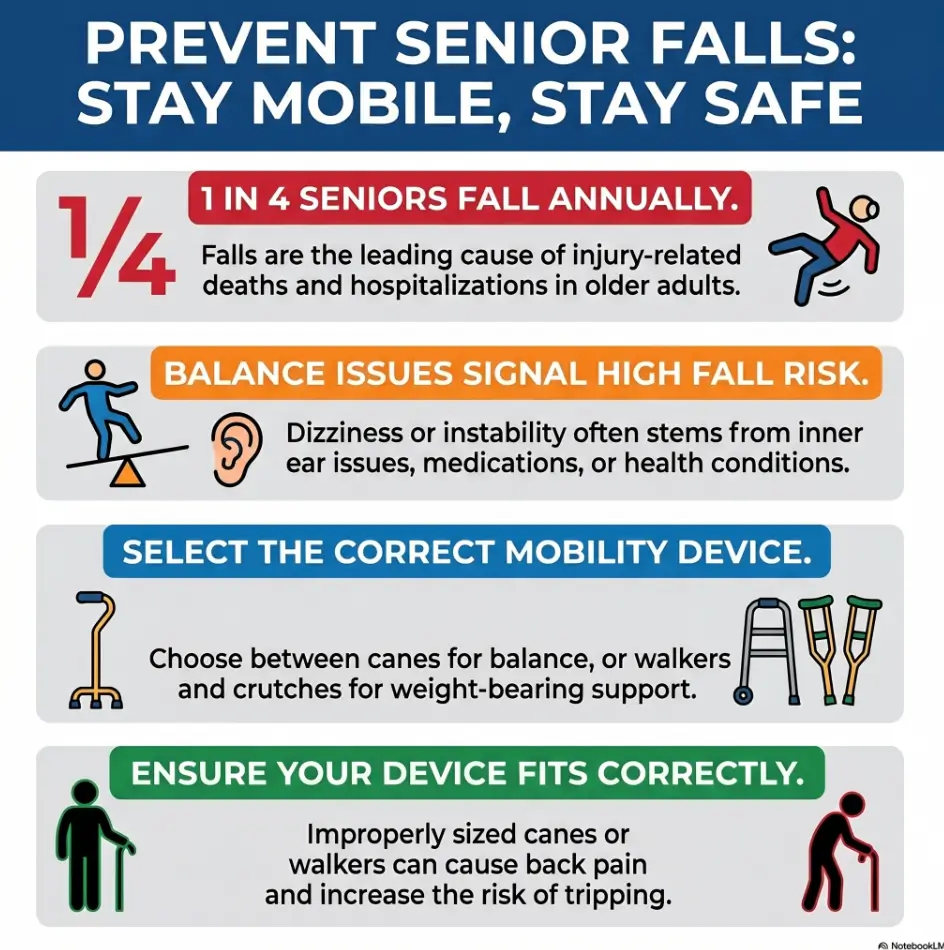
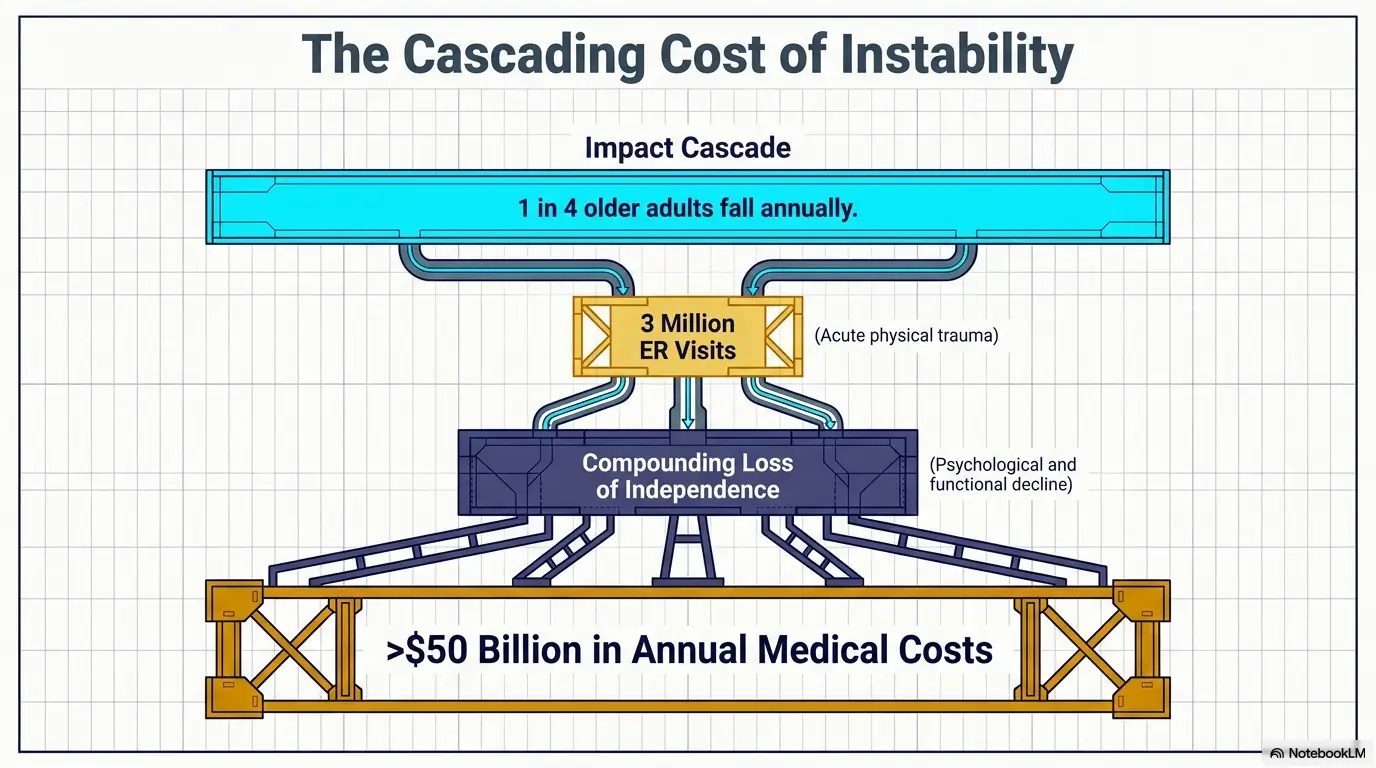
For context, the CDC states that more than one out of four older adults falls each year, and fewer than half tell their doctor. That single fact should make every family a little more curious, not more panicked.
Start Here: Your Parent’s Pain Is Also a Function Problem
Pain Scores Are Useful, But They Are Not the Whole Story
A pain score can help. “Seven out of ten” gives the clinician a starting point. But a number alone is a lonely little island. It does not tell you whether your parent skipped the shower, stopped using the basement laundry, slept in a chair, or avoided the mailbox because the front steps felt like a small mountain range.
When I have helped older relatives talk through pain, the most useful details were never dramatic. They were small: “I sit down before brushing my teeth now.” “I wait until someone visits to carry groceries.” “I stopped going outside after dinner.” These details are where the real map begins.
Track the Small Losses Before They Become Big Ones
Look for changes in walking distance, stairs, bathing, dressing, sleep, cooking, errands, and getting in and out of chairs. A parent may still say the pain is “about the same” while quietly shrinking the day around it. Families who need a broader framework can also review elderly orthopedic pain management as a way to connect pain relief with everyday safety.
- Can they walk from the bedroom to the bathroom safely at night?
- Are they using furniture for balance more often?
- Did they stop cooking meals that require standing?
- Are they avoiding stairs until absolutely necessary?
- Are they canceling plans because recovery takes too long?
The Quiet Clue: Avoidance
Avoidance is pain wearing a hat and pretending to be preference. “I don’t feel like going” may mean hip pain. “I’ll shower tomorrow” may mean fear of slipping. “I’m not hungry” may mean standing in the kitchen hurts.
This is why orthopedic pain management for adult children helping aging parents must stay practical. You are not trying to interrogate feelings under a bright lamp. You are trying to understand where the day is getting narrower.
Mini Infographic: The Pain-to-Function Loop
Morning stiffness, joint ache, post-activity soreness.
Shorter steps, furniture support, slower transfers.
Skipped shower, fewer meals, canceled walks.
Fatigue, rushed bathroom trips, poor sleep, clutter.
Use it: Do not only ask where pain hurts. Ask where life is bending around it.
Who This Is For, and Who It Is Not For
This Is For Adult Children Who Are Worried But Not Sure What to Do
This guide is for the nearby daughter who notices the recycling has not gone out, the long-distance son who hears a parent pause before saying “fine,” and the siblings trying to coordinate care without turning every phone call into a family weather system.
It is also for adult children whose parents minimize pain. Some older adults underreport symptoms because they fear losing independence, being told to stop driving, or becoming “a burden.” The word burden has done enough damage in family kitchens. Retire it if you can.
This Is For Parents Who Want Independence, Not a Household Takeover
The best support protects autonomy. It does not arrive with a label maker, a command voice, and the emotional energy of a surprise audit.
Try framing changes this way: “I want to help make mornings easier so you can keep doing more of what matters.” That lands differently than “You can’t do this anymore.” One preserves dignity. The other sounds like a door closing.
This Is Not For Emergencies, New Severe Pain, or DIY Medication Changes
This guide is not a substitute for urgent care, emergency evaluation, orthopedic assessment, physical therapy, occupational therapy, or medication review. It is especially not permission to adjust prescriptions, mix pain medicines casually, or decide that a walker from the garage is “probably fine.”
- Ask permission before changing routines.
- Start with one painful task, not the whole house.
- Use clinician guidance for medicines, devices, and activity limits.
Apply in 60 seconds: Replace “You need help” with “What would make this one task easier?”
First Conversation: Ask Better Than “Are You Okay?”
Replace Vague Check-Ins With Functional Questions
“Are you okay?” is kind, but it is too easy to dodge. A parent can answer “yes” while gripping the counter like a ship rail.
Use functional questions instead:
- “Did the pain change how you used the stairs today?”
- “Did you avoid the shower because standing felt risky?”
- “Did you take more breaks than usual while cooking?”
- “Did you feel unsteady after taking pain medicine?”
- “Was getting out of bed harder than usual?”
These questions are less dramatic and more useful. They invite facts instead of a performance of toughness.
Listen for Pride, Fear, and Editing
Many parents edit their answers. Not because they are being difficult, but because they are trying to protect the version of themselves they have lived inside for decades.
I once heard an older relative say, “I just don’t go downstairs much now.” It sounded casual. It was not casual. The basement held laundry, storage, and half the rhythms of the house. A whole floor had quietly become a border crossing.
Let’s Be Honest: “Fine” Can Mean Five Different Things
Fine can mean tolerable. Fine can mean embarrassed. Fine can mean afraid. Fine can mean exhausted. Fine can mean, “Please do not make this bigger than I can emotionally handle before lunch.”
So keep your voice ordinary. Adult children often want the one perfect question. Usually, the better move is a calm second question.
Eligibility Checklist: Is This a Good Moment for a Pain-and-Function Check-In?
- Yes if your parent is calm, rested, and not rushing.
- Yes if you can ask about one task instead of everything.
- No if the pain is sudden, severe, or tied to a fall. Seek medical guidance promptly.
- No if the conversation has become a power struggle. Pause and try later.
Neutral next step: Choose one ordinary daily task and ask what has changed in the last 2 weeks.
Pain Pattern Map: Find the Day’s Dangerous Corners
Morning Pain Needs a Different Plan Than Evening Pain
Morning pain often behaves differently from evening pain. Morning stiffness may make the first transfer from bed risky. Evening pain may show up after a day of standing, errands, or trying to “get everything done while I feel decent.”
Ask about timing. Does pain peak after sleep, after walking, after sitting, after stairs, or after a specific chore? The timing tells you where the support belongs.
Bathroom Pain Deserves Special Attention
The bathroom is where pain, water, darkness, urgency, and pride meet in a room with hard surfaces. A truly terrible committee.
Nighttime bathroom trips deserve special attention. Half-awake movement, slippery floors, low lighting, medication effects, and rushing can all increase risk. If your parent has hip, knee, back, ankle, or foot pain, the bathroom route may be the first route to simplify. For parents recovering from hip procedures, showering after hip surgery can require a separate safety conversation around transfers, standing tolerance, and setup.
Kitchen Pain Can Hide in Ordinary Chores
Kitchen pain is sneaky because it wears an apron. Standing at the counter, reaching into cabinets, carrying a pot, bending to the lower shelf, or twisting with a plate can be enough to aggravate joints.
One parent may not say, “My knee pain is worse.” They may say, “I just eat toast now.” That sentence deserves attention. Not panic. Attention.
Show me the nerdy details
A pain pattern map works because it pairs symptoms with real-world demands. Instead of tracking pain in isolation, it records timing, task, surface, transfer, lighting, fatigue level, and recovery time. This gives clinicians and therapists better context for deciding whether the issue may involve strength, joint irritation, balance, footwear, medication effects, home setup, or activity pacing.
Common Mistakes Adult Children Make When Helping With Pain
Mistake 1: Buying Equipment Before Naming the Hardest Task
Buying equipment can feel productive. The checkout button gives you a tiny dopamine muffin. But a shower chair, cane, walker, grab bar, raised toilet seat, or bed rail should match a specific repeated problem.
Before buying anything, name the task: getting out of bed, stepping into the shower, rising from the toilet, carrying food, walking to the mailbox, standing long enough to cook, or climbing stairs. If braces or supports are part of the conversation, it may also help to understand HSA-eligible braces and supports before the family starts shopping by worry instead of need.
Mistake 2: Treating Pain Relief and Fall Prevention as Separate Projects
Pain relief and fall prevention are braided. Pain changes gait. A changed gait affects balance. Poor sleep worsens attention. Some medicines can contribute to dizziness or sleepiness. Clutter turns one bad step into a bad afternoon.
The CDC identifies several fall risk factors in older adults, including lower body weakness, balance problems, some medicines, vision problems, foot pain, poor footwear, and home hazards. In real life, these rarely arrive one at a time. They travel in packs.
Mistake 3: Turning Every Visit Into an Inspection
Adult children sometimes arrive with excellent intentions and the energy of a hotel safety inspector. The rugs are wrong. The chair is wrong. The shoes are wrong. The refrigerator arrangement is somehow morally suspicious.
Try this instead: pick one route, one task, or one question. You are not there to win the Home Safety Olympics. You are there to reduce friction without flattening your parent’s dignity.
- Match tools to repeated painful tasks.
- Connect pain relief with fall prevention.
- Make one change at a time when possible.
Apply in 60 seconds: Write down the single task your parent struggles with most often before shopping for any device.
Don’t Do This: The Pain Plan That Looks Helpful but Backfires
Don’t Push Through Pain Just Because “Movement Is Good”
Movement can be helpful. Pushing blindly through pain is not the same thing as healthy movement. There is a difference between safe activity, pacing, and treating the body like a stubborn appliance.
If your parent has been told to stay active, ask the clinician or physical therapist what kind of activity, how much, how often, and what symptoms mean “stop and call.” The details matter. “Walk more” is not a plan. It is a bumper sticker.
Don’t Assume a Cane or Walker Is Automatically Safer
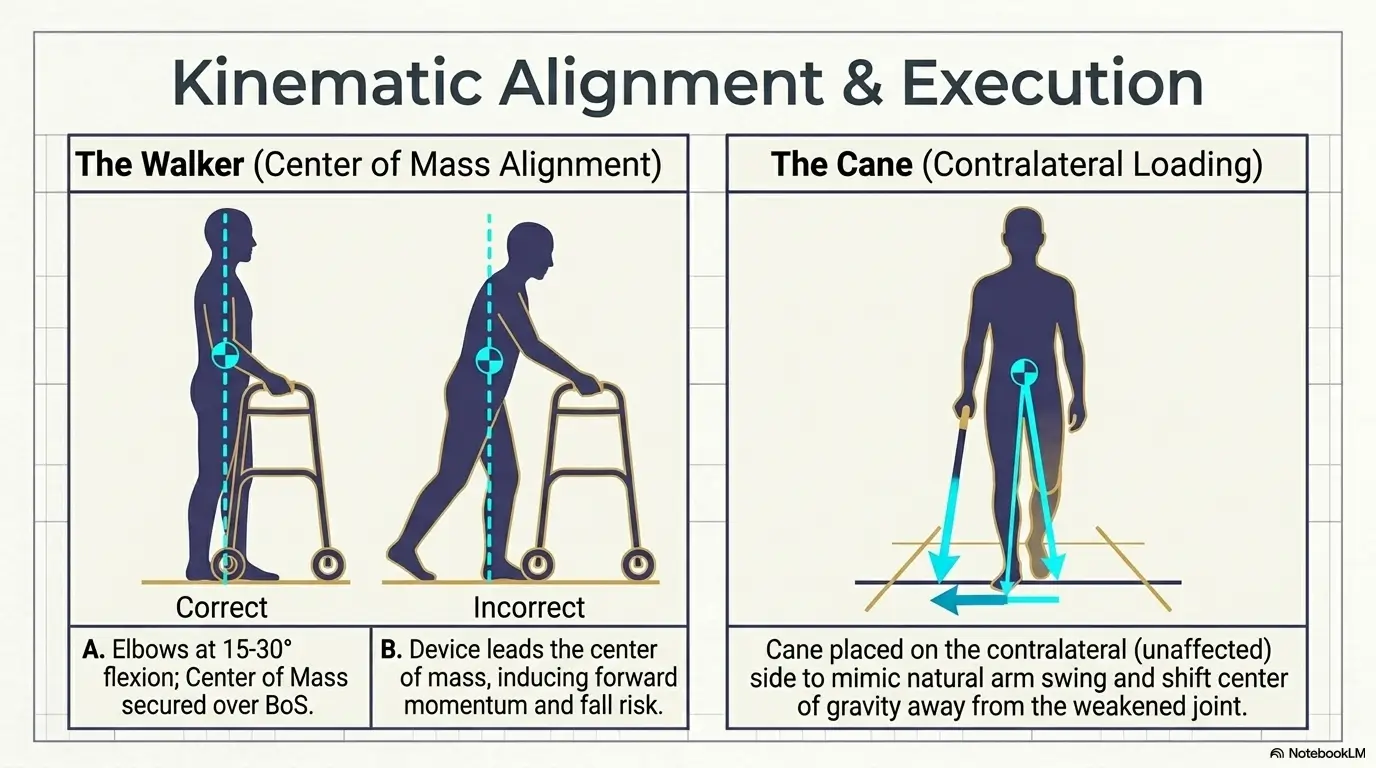
Assistive devices need fit, training, and the right match. A cane may help with minor balance problems, weakness, injury, or pain. A walker may provide more stability for some people. But the wrong device, wrong height, wrong technique, or wrong home layout can introduce new risks. For some older adults with back and leg symptoms, a rollator for lumbar spinal stenosis may raise different questions than a basic cane or standard walker.
AAOS guidance on canes, crutches, and walkers emphasizes proper use and technique. That is the part families sometimes skip because the device looks simple. A cane is not a magic wand with rubber feet.
Don’t Rearrange the Whole House in One Afternoon
Changing too much too quickly can backfire, especially for parents who rely on memory and familiar routes. Move every table, basket, lamp, and chair at once, and you may create a new obstacle course in the name of safety.
Start with the route that matters most. Usually that means bed to bathroom, favorite chair to kitchen, or entry door to sitting area.
Decision Card: Change the Person, the Tool, or the Route?
| When you notice… | Start with… | Why it helps |
|---|---|---|
| Pain after long chores | Pacing | Reduces boom-and-bust overuse. |
| Unsteady walking | Clinical device review | Matches support to balance and pain pattern. |
| Night bathroom fear | Route setup | Improves lighting, traction, and reach before urgency hits. |
Neutral action: Pick the option that addresses the repeated problem with the least disruption first.
Medication Conversations: Help Without Playing Pharmacist
Build a Medication Question List, Not a Medication Opinion
Adult children can help enormously by organizing questions. They should not become unofficial pharmacists with a search engine and a worried forehead.
Track what was taken, when it was taken, what helped, what did not, and what changed afterward. Include sleepiness, dizziness, constipation, confusion, nausea, missed doses, doubled doses, and whether pain returned before the next scheduled dose.
Watch for Balance, Sleepiness, and Double-Dosing Risks
Pain medicines, sleep medicines, anti-anxiety medicines, antihistamines, alcohol, and some over-the-counter products can affect alertness or balance. The Mayo Clinic notes that some medicines used by older adults, including certain pain medicines, can contribute to dizziness or confusion.
The safe move is not to guess. The safe move is to bring a complete medication list to the clinician or pharmacist and ask clear questions.
Bring the Bottle, Not Just the Brand Name
Bring current prescription bottles, over-the-counter medicines, supplements, creams, patches, and drops. Yes, the bag may look like a tiny pharmacy parade. Bring it anyway.
Names, doses, timing, and combinations matter. A clinician can review more safely when they see the full picture.
Quote-Prep List: What to Gather Before a Medication Review
- All prescription bottles and dose instructions.
- Over-the-counter pain relievers, sleep aids, and allergy medicines.
- Supplements, topical creams, patches, and herbal products.
- A 7-day note of pain timing, missed doses, and side effects.
- Any falls, near-falls, dizziness, confusion, or unusual sleepiness.
Neutral action: Put everything in one bag before the appointment and ask, “Could any of this affect balance, sleep, or falls?”
Home Setup: Make the Painful Route Shorter and Safer
Start With the Three Most Repeated Routes
Do not start with the entire house. Start with the routes your parent repeats every day: bed to bathroom, chair to kitchen, and entry door to sitting area.
Walk the route slowly with your parent’s permission. Watch for reaching, twisting, stepping over cords, grabbing furniture, poor lighting, loose rugs, and awkward turns. The route will tell you where pain and risk are shaking hands.
Remove the Trapdoors: Rugs, Cords, Clutter, Poor Lighting
Home hazards are not abstract. A curled rug edge is not decor; it is a plot twist. A phone cord across a night path is not convenience; it is a tripwire with a charging block.
Look especially at bathroom entrances, hallway corners, thresholds, bedside areas, and places where your parent carries something while walking.
Here’s What No One Tells You: The Best Fix Is Often Boring
The best fix may be brighter bulbs, stable shoes, a clear night path, reachable water, a better chair height, or moving frequently used items between waist and shoulder level.
Boring fixes are underrated because they do not feel heroic. But a reachable mug, a stable chair, and a clear path can do more daily good than a gadget your parent refuses to use.
- Improve repeated routes first.
- Reduce bending, carrying, twisting, and rushing.
- Keep familiar layouts when possible.
Apply in 60 seconds: Stand at your parent’s bed and trace the night bathroom route with your eyes.
Doctor Visit Prep: Turn Family Worry Into Useful Data
Bring a One-Page Pain and Function Snapshot
Clinicians hear “Mom hurts more lately” all the time. It is understandable, but not very specific. A one-page snapshot gives the visit a better starting point.
Include pain location, timing, triggers, sleep impact, falls or near-falls, medication concerns, walking distance, stairs, bathing, dressing, cooking, and activities your parent has stopped doing. If imaging is being discussed, families may also want to understand orthopedic pain management before asking for MRI, because a clear function history often makes the conversation more useful.
Ask About Physical Therapy, Imaging, Referrals, and Safe Activity Limits
Good questions make the appointment more useful. Ask whether physical therapy, occupational therapy, imaging, orthopedic referral, pain management referral, footwear review, or activity modification makes sense.
Keep the tone collaborative. You are not arriving to demand every test under the sun. You are bringing field notes from the kitchen, hallway, bathroom, and bedroom.
Ask What Change Would Be a Red Flag
Leave with clear instructions. Ask what symptoms should prompt a call, a follow-up appointment, urgent care, or emergency services.
This is where many families miss the little golden key. They leave knowing what the diagnosis might be, but not what change should trigger action.
Mini Calculator: 10-Minute Pain-and-Function Snapshot
Output: If any number is above zero, write one sentence for the clinician: “Pain is affecting these tasks: ___.”
Neutral action: Bring the numbers and examples to the next appointment instead of relying on memory.
When to Seek Help: Red Flags Adult Children Should Not Downplay
Call Urgent Care or Emergency Services for Sudden Severe Symptoms
Seek urgent help for severe pain after a fall, inability to bear weight, suspected fracture, chest pain, shortness of breath, new confusion, fainting, stroke-like symptoms, severe weakness, or uncontrolled pain.
If your parent hit their head, is taking blood thinners, seems unusually sleepy or confused, or cannot walk normally after a fall, take it seriously. This is not the moment for family optimism theater. When the decision feels blurry, a practical comparison of urgent care vs. orthopedic clinic can help families think through where evaluation may belong.
Contact a Clinician Promptly for Pain That Changes the Parent’s Life
Call the clinician for worsening pain, new swelling, fever, numbness, weakness, repeated falls, medication side effects, rapid decline in walking, or changes in bathing, dressing, cooking, or toileting.
The National Institute on Aging explains that balance problems in older adults can have many causes, including medications and medical conditions. That is exactly why patterns matter.
Report Falls Even When Your Parent Says “I’m Fine”
Falls matter even when nothing seems broken. A fall may point to medication effects, balance changes, vision issues, footwear problems, home hazards, weakness, or pain-related movement changes.
CDC fall prevention information notes that falling once doubles the chance of falling again. That does not mean your parent is doomed. It means the fall is data, and data should not be swept under the rug next to the rug that caused the trouble.
- Report falls and near-falls.
- Ask what risk factors should be reviewed.
- Do not dismiss new weakness, confusion, or inability to bear weight.
Apply in 60 seconds: Ask, “Have you slipped, stumbled, or caught yourself on furniture this month?”
Family Roles: Divide the Work Before Resentment Moves In
Give Each Sibling a Concrete Lane
Caregiving gets messy when everyone is “available” and no one is responsible. Give each person a lane: appointment notes, transportation, home setup, pharmacy questions, grocery support, insurance calls, or weekly check-ins.
Concrete roles prevent the classic family magic trick where one person becomes the default everything while everyone else “just assumed it was handled.”
Protect the Primary Caregiver From Becoming the Default Everything
The adult child who lives closest often becomes the emergency contact, driver, errand runner, interpreter, appointment historian, and emotional sponge. That is not a role. That is a weather event.
Set expectations early. Even a sibling who lives far away can manage appointment summaries, medication list formatting, insurance calls, or scheduled check-ins. When cost or insurance friction shapes those decisions, a guide to orthopedic pain management with a high deductible can give the family a calmer vocabulary for planning.
Keep the Parent in the Center, Not on the Sidelines
Your parent is not a project. Keep them involved in decisions unless there is a safety or cognitive issue that requires different legal or medical steps.
Use language that keeps dignity intact: “Which change would feel least annoying?” “What would make mornings easier?” “Would you try this for one week?” These questions invite partnership instead of surrender.
Coverage Tier Map: Family Support From Light Touch to Full Coordination
- Tier 1: Weekly functional check-in.
- Tier 2: Medication question list and appointment notes.
- Tier 3: Home route adjustments and transportation support.
- Tier 4: Shared family calendar, clinician follow-ups, pharmacy coordination.
- Tier 5: Formal caregiving plan with professional support when needed.
Neutral action: Choose the lowest tier that solves the current problem without overwhelming your parent.
FAQ
How can I tell if my aging parent’s orthopedic pain is getting worse?
Focus on function. Watch for walking less, avoiding stairs, skipping showers, sleeping poorly, using furniture for support, canceling plans, eating simpler meals, or needing more recovery after normal tasks. A parent may say pain is “not too bad” while their day has quietly become smaller.
Should I buy a walker or cane for my parent?
Not automatically. The safest device depends on pain location, balance, strength, home layout, and training. Ask a clinician, physical therapist, or occupational therapist before assuming the right choice. AAOS provides general guidance on canes, crutches, and walkers, but personal fit and technique matter.
What should I track before my parent’s orthopedic appointment?
Track pain location, timing, triggers, medication use, side effects, sleep changes, walking distance, stairs, falls or near-falls, and tasks that have become harder. Add examples: “stopped walking to the mailbox” is more useful than “mobility worse.”
How do I help without making my parent feel controlled?
Ask permission, offer choices, start with one painful task, and frame changes as independence protection rather than loss of freedom. A one-week trial often feels less threatening than a permanent “new system.”
What home changes help most with orthopedic pain?
Start with clear walking paths, safer bathroom access, stable seating, reachable essentials, better lighting, supportive footwear, and reducing repeated bending or carrying. The best first change is usually the repeated route that causes the most pain or fear.
When should pain after a fall be checked?
Pain after a fall should be taken seriously, especially if there is difficulty walking, swelling, bruising, head impact, confusion, dizziness, new weakness, or inability to bear weight. When in doubt, contact a clinician or seek urgent evaluation.
Can adult children talk to the doctor directly?
Often yes, if the parent gives permission and privacy rules are followed. Even without access to private medical details, families can share observations with the care team. Bring concise notes rather than a dramatic novel, unless the clinician also enjoys serialized family epics.
What if my parent refuses help?
Start smaller. Ask about one task that feels harder lately. Offer a trial change for one week rather than a permanent redesign. Respect matters, but so does safety. If refusal creates serious risk, ask the clinician, social worker, or care team for guidance.
Next Step: Make a 10-Minute Pain-and-Function Snapshot Today
Choose One Ordinary Day, Not a Perfect Day
Do not wait for the perfect tracking system. Pick one ordinary day. Write down when pain appears, what task it interrupts, what your parent avoids, what helps, and what feels unsafe.
The opening clue, the laundry basket by the stairs, the skipped shower, the suddenly unused shoes, is the point. Orthopedic pain often announces itself through changed habits before it becomes a clear family headline.
Bring That Snapshot to the Next Clinician Conversation
A clear page of real-life details can turn “Mom hurts more lately” into useful clinical information. Include falls, near-falls, medication concerns, sleep changes, walking changes, and tasks your parent quietly dreads. If symptoms are not improving despite a plan, families may also need language for the moment when physical therapy is not helping orthopedic pain.
Short Story: The Chair by the Door
One adult daughter noticed her father had moved a dining chair near the front door. At first, she thought it was clutter. Then she watched him come home from the mailbox. He opened the door, reached for the chair, sat down hard, and waited before taking off his shoes.
He had not said, “My knee is worse.” He had built a tiny recovery station in the entryway and hoped no one would make a fuss. That chair told the truth gently. The family did not start with a lecture. They started with one question: “Would it help if the mail came to the side table instead?” From there, they talked to his clinician, reviewed his walking route, and made small changes without turning the house upside down.
One Concrete Action
Ask your parent: “What is one daily task you still do, but now secretly dread because of pain?”
Then build the next support step around that answer. Not around panic. Not around a shopping cart full of equipment. Around the task. That is where safer relief begins.
- Name the task.
- Notice the route, timing, and risk.
- Bring the pattern to a clinician when needed.
Apply in 60 seconds: Write one sentence: “Pain is making ___ harder because ___.”
Last reviewed: 2026-04.