
The Social Logistics of Post-Surgery Recovery
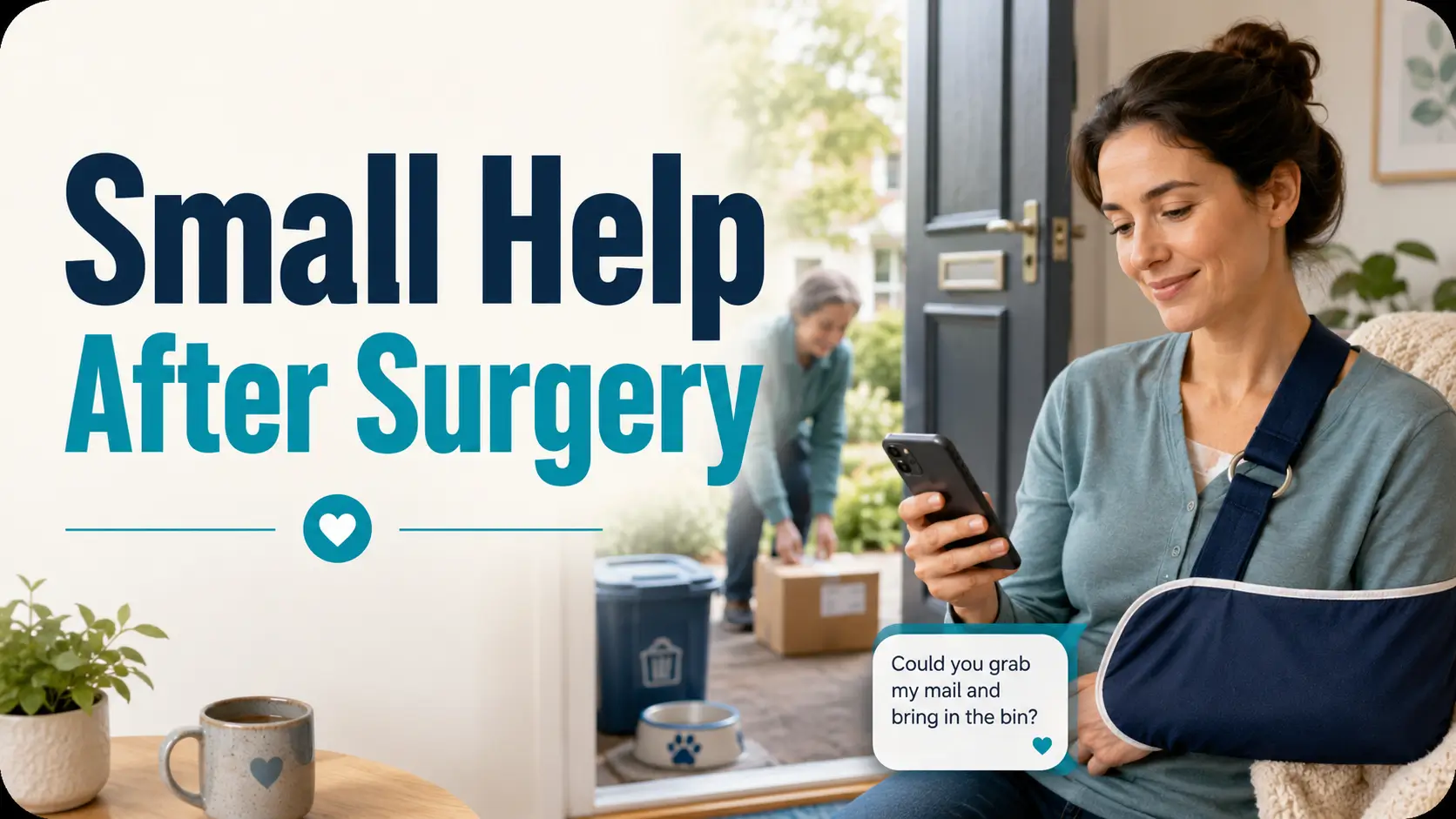
The awkward part usually arrives before the surgery does. You are standing in the kitchen, looking at the trash bins, the mail slot, the porch steps, and the little kingdom of chores that will not care one bit about your stitches, sling, brace, or doctor’s orders. How to ask neighbors for limited help after surgery becomes less of a manners question and more of a recovery plan with a doorbell.
The trouble is modern and very specific: you may need real post-surgery support, but you do not want to turn a friendly neighbor into a nurse, chauffeur, therapist, or unpaid project manager. Guessing or waiting too long can leave you scrambling after anesthesia, pain medication, mobility limits, or discharge instructions change your usual routine.
The safer path is small, clear, and kind.
This guide gives you scripts, boundaries, a tiny recovery help map, and practical ways to protect your privacy, your healing, and your neighborly peace. It is not medical advice, and it does not replace your surgical team’s instructions. Think of it as social logistics for the tender week when even a package on the porch can feel like a tiny refrigerator.
The Tiny Recovery Help Plan
Best neighbor requests after surgery are small, specific, and easy to refuse. Ask for practical tasks like mail, trash bins, package checks, pet feeding, or a brief text check-in. Keep medical care, personal care, medication decisions, wound concerns, and emergency judgment with your care team, family, or trained support.
- Good ask: “Could you bring my trash bin back Tuesday evening?”
- Risky ask: “Can you help me recover next week?”
- Best safety net: neighbor help plus a backup plan.
Table of Contents
Who This Is For, And Who Should Not Rely On Neighbor Help
For People Who Need Small Support, Not Full Care
This guide is for the person who is mostly independent but temporarily limited. Maybe you had outpatient surgery. Maybe your surgeon told you not to bend, lift, drive, reach overhead, or climb stairs more than necessary. Maybe your body is acting like the Wi-Fi after a storm: technically functioning, but not ready for big demands.
Neighbor help works best for low-risk, practical tasks:
- Bringing trash or recycling bins to and from the curb.
- Checking the porch for packages.
- Collecting mail for a few days.
- Feeding a pet with simple instructions.
- Picking up one or two grocery items during an existing errand.
- Sending a quick check-in text at a planned time.
- Moving a very light item away from a doorway.
These tasks matter because recovery is often less about heroic suffering and more about boring friction. A package in the rain. A bin rolling into the street. A cat who believes breakfast is a constitutional right. Small things can become big stress when your body is on limited edition mode.
Not For Medical Monitoring, Heavy Lifting, Or Emergency Care
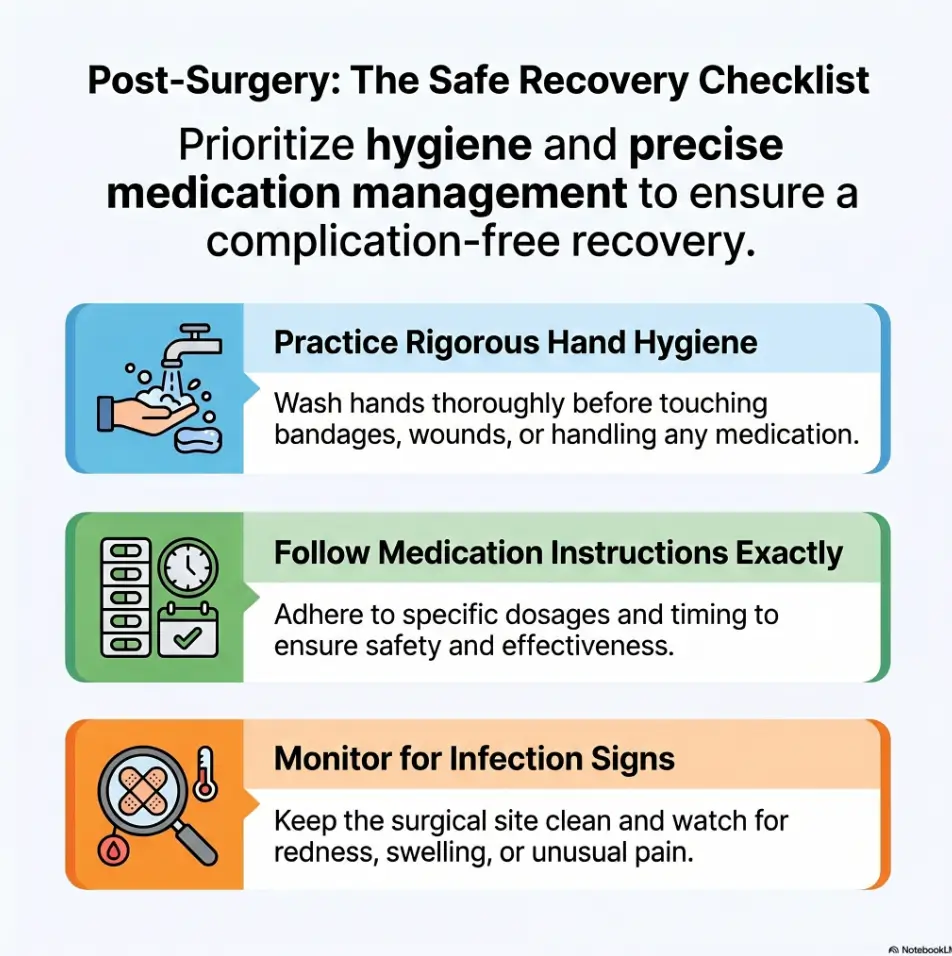
Neighbors should not be expected to manage medical recovery unless they are already trained, available, and clearly willing. That means wound care, medication management, bathing, transfers, dressing, bathroom help, symptom judgment, and emergency decisions belong somewhere else.
Your surgical team should be the source for medical instructions. If your discharge paperwork gives warning signs, follow that plan. Many hospitals and surgery centers also require a responsible adult to take you home after anesthesia or sedation. A rideshare may not meet those rules, and a casual neighbor may not be the right person unless they understand the responsibility.
For orthopedic recovery, it can also help to plan your home setup before surgery. If mobility is the hard part, resources on knee replacement apartment setup, orthopedic home care equipment, and using a wedge pillow after surgery can reduce the number of favors you need to ask for later.
The Hidden Goal: Protect Your Recovery And The Relationship
The best request does two jobs at once. It gets you useful support, and it keeps the relationship clean. Your neighbor should know exactly what they are saying yes to, how long it will take, and how to decline without entering a social courtroom.
That matters because awkwardness is often a boundary problem wearing a polite sweater. The solution is not to become colder. It is to become clearer.
- Use neighbors for light logistics, not care coordination.
- Keep medical questions with your surgical team.
- Pair every neighbor request with a backup plan.
Apply in 60 seconds: Write down three tasks under 10 minutes that would make your first recovery week easier.
The “Limited Help” Rule That Makes People More Likely To Say Yes
Ask For One Task, One Time, One Clear Window
“Can you help me after surgery?” sounds simple, but it is actually a fog machine. The neighbor cannot tell whether you mean ten minutes or ten days, a text message or a medical errand, a trash bin or a full emotional opera with snacks.
Try this instead:
“I’m having a minor procedure Monday and won’t be bending much. Would you be comfortable bringing my trash bin back from the curb Tuesday evening?”
That sentence works because it has edges. The task is clear. The time is clear. The reason is brief. The neighbor can picture the yes.
Use A Time Cap So The Request Feels Safe
People are more likely to say yes when they know the favor will not quietly inflate. Use phrases like:
- “It should take less than five minutes.”
- “Only once next week.”
- “Only if you are already heading that way.”
- “No need to come inside.”
- “A quick text is perfect.”
A time cap is not a trick. It is a kindness. It lets the other person protect their own schedule without guessing.
Let’s Be Honest: Vague Requests Make Kind People Nervous
Kind people often hesitate because they can imagine too much. They picture you needing a ride, a meal, a medication reminder, a ladder, a philosophical conversation about pain, and possibly a casserole dish they will never see again.
Do not make them solve the whole recovery puzzle. Hand them one puzzle piece.
Money Block: The One-Task Ask Checklist
Before you send the message, check each line.
- Yes/No: Is the task under 10 minutes?
- Yes/No: Is the exact day or time window included?
- Yes/No: Is it non-medical and low-risk?
- Yes/No: Did you include a no-pressure exit?
- Yes/No: Do you have a backup if they decline?
Neutral action line: If any answer is no, shrink the request before sending it.
Show me the nerdy details
A good favor request reduces what social scientists often call ambiguity and obligation pressure. In plain English, people need to know the size of the favor, the timing, the risk, and the cost of saying no. “Could you check my porch once on Wednesday afternoon?” is easier to accept than “Can you help me recover?” because it defines the task boundary before anxiety starts inventing extra chapters.
The Best Tasks To Ask Neighbors For After Surgery
Porch, Mail, And Package Tasks
Porch tasks are often the safest neighbor favors because they do not require entering your home or handling personal care. A neighbor can check for packages, move a box just inside the door if you are comfortable with that, or text you when something arrives.
Be specific about what they should do with deliveries. “Could you move any packages behind the planter?” is different from “Can you watch my house?” One sounds like a five-minute favor. The other sounds like becoming the night watchman of a tiny kingdom.
If a delivery contains medication, refrigerated items, or medical supplies, say only what they need to know. “I’m expecting a temperature-sensitive delivery Wednesday” is usually enough.
Trash, Recycling, And Outdoor Chores
Trash bins are perfect limited-help tasks. They are visible, ordinary, and time-bound. They also prevent bending, pulling, twisting, and awkward curb wrestling when you are supposed to be taking it easy.
You can ask for:
- Rolling bins to the curb.
- Bringing bins back after pickup.
- Moving a small empty planter away from a step.
- Watering one porch plant.
- Clearing small leaves from a walkway, if it is safe.
Do not ask a neighbor to shovel heavy snow, lift large bags, move furniture, or handle risky outdoor work unless you are close, they offer, and the task is safe for them. If your recovery involves hip, knee, spine, or shoulder limitations, the job may look simple but still violate your instructions. For home movement planning, related guides on getting into an SUV after hip surgery and choosing a recliner or bed after shoulder surgery may help you reduce risky movements inside and outside the home.
Errands That Do Not Turn Into A Whole Afternoon
Errands need tighter boundaries because they can swell quickly. “Could you grab milk?” can become “Could you compare three brands, use this coupon, check two aisles, and maybe rescue my will to live from the pharmacy line?”
Keep errand requests small:
- One or two items.
- Only if they are already going.
- Payment or reimbursement arranged first.
- No controlled medication pickup unless it is legal, allowed, and comfortable for everyone.
- No expectation that they wait in a clinic, pharmacy, or office line.
If you need repeated groceries, consider delivery. If you need pet care, a pet sitter may be cleaner than asking a neighbor twice a day unless the neighbor already loves your pet. Some neighbors are delighted to feed a cat. Others have met your cat and are still emotionally processing the stare.
The Script Formula: Warm, Specific, And Easy To Decline
Start With Context, Not A Medical Essay
You do not need to send a documentary. Most neighbors only need enough context to understand why the task matters.
Use this structure:
- Context: “I’m having a minor procedure next Monday.”
- Limit: “I’ll be avoiding bending and lifting for a few days.”
- Task: “Would you be comfortable bringing my trash bin back Tuesday evening?”
- Exit: “No pressure at all if your week is full.”
The context is not a confession. It is a small lantern. It helps the neighbor see the task without wandering through your private medical hallway.
Add The Escape Hatch
An escape hatch lets the neighbor say no without feeling like they have failed the village. The trick is to make it sincere, not theatrical.
Good options:
- “No pressure at all.”
- “Only if it is easy.”
- “Please feel free to say no.”
- “I have a backup plan, so no worries either way.”
Avoid guilt-flavored exits like, “I understand if you can’t, I know everyone is too busy these days.” That sentence wears a tiny crown of sadness. Keep it clean.
Close With A Backup Option
“If not, I’m lining up a plan B” is powerful because it tells the neighbor they are not your only bridge. It protects them from panic. It protects you from dependence.
It also makes the yes feel more generous and less trapped.
- Do not overexplain the surgery.
- Use a clear task and clear date.
- Mention your backup plan briefly.
Apply in 60 seconds: Draft one sentence that starts with “I’ll be limited for a few days and wondered if…”
Text, Note, Or Doorstep Ask? Choose The Least Awkward Channel
Text Works Best For Clear Logistics
Text is usually the least awkward channel because it gives the other person time to think. It avoids the hallway ambush effect, where someone is holding groceries, a leash, and the last thread of their patience while you explain discharge logistics.
Text also creates a record. That helps with details like dates, times, gate codes, package location, or reimbursement.
Use text when:
- You already have their number.
- The task has a clear date.
- You want to avoid pressure.
- You need to share a short instruction.
A Handwritten Note Works For Friendly But Not Close Neighbors
A note can feel warm and respectful when you do not usually text. It is especially useful for a neighbor you greet often but do not know deeply.
Keep it short. Include your name, unit or house number, the task, the date, and your contact information. Do not leave a note that reads like the first chapter of a medical memoir. Save the emotional arc for your journal. The porch only needs logistics.
In-Person Works Only When The Request Is Tiny
In-person asking can be lovely when the task is very small. “Would you mind pulling my bin back tomorrow if you see it?” is fine during a natural moment.
But do not corner someone with a layered request while they are wrangling a dog-shaped weather system. Dogs do not respect nuance. Neither do melting groceries.
If you start in person, offer to text the details afterward. That turns a casual yes into a clear plan.
Money Block: Channel Decision Card
| Channel | Best For | Avoid When |
|---|---|---|
| Text | Specific tasks, dates, porch checks, bins, quick check-ins | You do not know them well enough to have their number |
| Handwritten note | Friendly but not close neighbors | Urgent or complex needs |
| In person | Very tiny asks during natural conversation | The person is rushed, carrying things, or distracted |
Neutral action line: Choose the channel that gives your neighbor the most time and the least pressure.
Common Mistakes That Make A Small Ask Feel Too Big
Mistake 1: Asking For “Help” Instead Of A Task
“Help” can sound infinite. A task has a border. When you ask for help, the neighbor has to imagine the job. When you ask for a task, the neighbor only has to decide whether they can do it.
Replace “Can you help me after surgery?” with “Could you check my porch for packages on Wednesday evening?”
That one change can remove most of the awkwardness.
Mistake 2: Sharing Too Many Medical Details
You are allowed to keep your medical life private. Your neighbor does not need the surgical name, the incision location, the medication list, or the dramatic backstory involving three specialists and one printer that refused to cooperate.
Share only what affects the task. For example:
- “I won’t be lifting more than a few pounds.”
- “I won’t be driving for a short period.”
- “I may not be able to bend to pick up packages.”
That is enough.
Mistake 3: Waiting Until The Day Before Surgery
Last-minute requests create urgency. Urgency creates guilt. Guilt creates weird little social bruises that nobody asked for.
Ask several days to two weeks ahead when possible. For a tiny one-time task, a few days may be fine. For anything involving transportation, pets, keys, or repeated check-ins, give more lead time.
If your procedure is orthopedic, also consider preparing your appointment and recovery questions early. A practical orthopedic appointment checklist can help you ask the clinic what support you will actually need, rather than guessing from the couch at 11:43 p.m.
Mistake 4: Asking One Neighbor For Everything
One neighbor can often handle one small favor. One neighbor should not become the entire recovery department.
Spread tasks gently if appropriate. A close friend may handle transportation. A neighbor may bring in bins. A delivery service may handle groceries. Your clinic handles medical questions. Everyone gets a role that fits.
Short Story: The Tuesday Trash Bin
After a minor shoulder procedure, Claire planned beautifully for the big things. Her sister drove her home. Her prescriptions were ready. Her pillows were arranged with the seriousness of a museum exhibit. But on Tuesday morning, she saw the trash bin at the curb and realized the handle sat just low enough to make her shoulder protest before she even touched it. She almost tried anyway.
Pride had put on shoes. Instead, she texted the neighbor across the driveway: “Could you bring my empty bin back this evening if you’re outside? No pressure.” He replied with a thumbs-up and rolled it back after dinner. The whole favor took less than a minute. The lesson was not that neighbors should become caregivers. It was that a tiny ask, made clearly, can prevent one unnecessary strain and one long evening of self-scolding.
The Neighbor Boundary Line: What Not To Ask Unless You Are Close
Don’t Ask For Personal Care
Personal care includes bathing, dressing, bathroom help, changing bandages, medication decisions, wound checks, or helping you transfer from a bed, toilet, shower, or chair. These needs are human, normal, and nothing to be ashamed of. They are also not casual neighbor favors.
If you expect hands-on help, talk with your surgical team before the procedure. You may need a family member, trained caregiver, home health support, or a short rehab stay depending on your procedure and safety needs. For orthopedic recovery choices, a guide on choosing rehab after surgery may help you think through the difference between home support and a more formal plan.
Don’t Ask For Heavy Lifting Or Risky Driving
Heavy lifting is not only risky for you. It can be risky for the neighbor. Avoid asking someone to move furniture, carry large grocery loads, lift pets, shovel, rearrange equipment, or transport you if your discharge instructions require a responsible adult with specific duties.
Driving after anesthesia, sedation, or certain pain medications is a safety issue. Follow your facility’s discharge rules. If you need help getting in or out of a vehicle after hip, knee, spine, or shoulder surgery, review that with your care team and plan the ride carefully. Resources such as managing a car ride after lumbar fusion can help you prepare questions for your clinician.
Here’s What No One Tells You: “Nice” Is Not The Same As Available
A neighbor can be friendly, generous, and absolutely unavailable. They may have caregiving duties, work stress, health limits, money pressure, anxiety, or a week that already looks like a junk drawer.
Do not treat a warm smile as a contract. Ask cleanly. Accept the answer cleanly. That is the quiet art.
The Post-Surgery Help Boundary Map
Mail, packages, bins, light porch tasks, brief planned check-ins.
Rule: under 10 minutes, low risk.
Ride home, meal drop-off, pet care, repeated errands, staying nearby.
Rule: clear consent and schedule.
Symptoms, medication questions, wound concerns, transfers, medical decisions.
Rule: trained or official support.
Build A Tiny Recovery Help Map Before Surgery Day
Sort Tasks Into Must-Have, Nice-To-Have, And Skip-It
Before asking anyone, sort your needs. This prevents you from treating every inconvenience like a crisis.
- Must-have: ride home, medication access, safe bathroom setup, food, water, phone charger, emergency contacts.
- Nice-to-have: package checks, bins, one grocery add-on, porch plant watering.
- Skip-it: spotless floors, reorganized pantry, perfect laundry schedule, heroic productivity.
Recovery is not the week to become a domestic legend. The dust can wait. It has been training for this moment.
Match Each Task To The Right Person
Not every helper fits every task. A neighbor may be perfect for trash bins but wrong for transportation. A close friend may be perfect for discharge day but unavailable for daily chores. A delivery app may be better for groceries than asking someone to navigate your preferred oat milk taxonomy.
Match by relationship, risk, and time:
- Close friend or family: ride home, staying with you, medication pickup when appropriate.
- Neighbor: bins, porch checks, mail, brief text check-in.
- Paid service: groceries, pet sitting, cleaning, transportation when allowed.
- Clinic or surgeon: symptoms, restrictions, wound instructions, medication questions.
Keep One Paid Or Formal Backup
A backup plan is not pessimism. It is kindness with shoes on.
Possible backups include grocery delivery, pet sitting, a home care agency, a cleaning service, a close friend on standby, or a call to the surgery center for guidance. If you are worried about cost, compare the price of one paid errand or one home care visit against the cost of a setback, missed discharge requirement, or unsafe movement.
Money Block: Five-Tier Recovery Help Map
| Tier | Use For | Best Source |
|---|---|---|
| Tier 1 | Medical symptoms or unclear instructions | Surgical team or emergency services |
| Tier 2 | Ride home, overnight help, hands-on support | Family, close friend, trained caregiver |
| Tier 3 | Mail, bins, package checks | Neighbor |
| Tier 4 | Groceries, pet care, cleaning | Paid service or willing friend |
| Tier 5 | Comfort extras | Only if easy or already offered |
Neutral action line: Put each task in the lowest-risk tier before asking someone to do it.
- Sort tasks before asking.
- Match the task to the right relationship.
- Keep one formal backup for essential needs.
Apply in 60 seconds: Label your top five recovery tasks as neighbor, close friend, paid service, or care team.
Sample Neighbor Requests You Can Adapt
For Trash Bins
“Hi Maya, I’m having a minor procedure Monday and won’t be bending or pulling much for a few days. Would you be comfortable bringing my trash bin back from the curb Tuesday evening if you notice it? No pressure at all if your week is full.”
Why it works: it is clear, quick, and low-pressure. It does not ask Maya to become the Minister of Waste Management for the entire month.
For Mail And Packages
“Hi Ben, I’ll be recovering at home later this week and may not be able to get to the porch easily. Could you check once on Thursday afternoon and text me if there are packages? No need to come inside. Totally fine if not.”
If you want the package moved, say where: “behind the planter,” “inside the screen door,” or “next to the garage.” Do not assume they know your preferred porch choreography.
For A Quick Grocery Add-On
“Hi Dana, if you happen to go to the grocery store this weekend, could I pay you to add a half-gallon of milk and a loaf of bread? Only if you’re already going. I can Venmo or leave cash in an envelope.”
This respects time and money. It also prevents the famous receipt ballet, where both people pretend reimbursement is not awkward while silently performing advanced social mathematics.
For A Brief Check-In
“Hi Luis, I’m recovering from a minor procedure Wednesday. Would you be willing to send a quick text around 7 p.m. to make sure I’m settled? I’m not asking you to come over. I just want one simple check-in. No worries if you can’t.”
A check-in is not medical monitoring. Make that distinction clear. If you need someone to respond to symptoms or make decisions, that should be a close support person or medical professional.
Privacy, Gratitude, And The Small Social Contract
Say Enough, But Not Everything
Privacy is not secrecy. You can give useful context without handing over your medical file.
Try:
- “I’m having outpatient surgery.”
- “I’ll have lifting restrictions.”
- “I’ll be avoiding stairs for a few days.”
- “I may not be able to drive right away.”
Avoid detailed medical descriptions unless you genuinely want to share or the detail affects safety. Your neighbor does not need the full operating-room itinerary to bring in a recycling bin.
Offer Reimbursement Before They Have To Ask
If the task involves money, offer reimbursement clearly and early. That includes groceries, supplies, gas, parking, or pet items.
Use direct language:
- “I’ll pay you before you go.”
- “Please send me the receipt.”
- “I can leave cash in an envelope.”
- “I can pay by Venmo, Zelle, or cash, whichever is easiest.”
Do not make the neighbor ask to be repaid. That turns a simple favor into a tiny financial weather system.
Thank Them In A Way That Does Not Create Debt
Gratitude should close the loop, not open a new account. A sincere text, a short card, a small treat, or a future reciprocal favor is enough.
Good thanks:
- “Thank you. That made today much easier.”
- “I really appreciate you taking care of that small thing.”
- “You saved me from doing something my doctor told me not to do.”
Avoid overpaying emotionally. “You are the only reason I survived this week” may be heartfelt, but it is a heavy crown to place on someone who moved a trash bin six feet.
Money Block: Reimbursement Prep List
Before asking for any errand, prepare these details.
- Exact item name and acceptable substitute.
- Spending limit.
- Preferred payment method.
- Drop-off location.
- Whether they should text before buying.
Neutral action line: Send payment instructions with the request, not after the favor is done.
When To Seek More Help Than A Neighbor Can Give
Call Your Surgical Team For Medical Symptoms Or Unclear Instructions
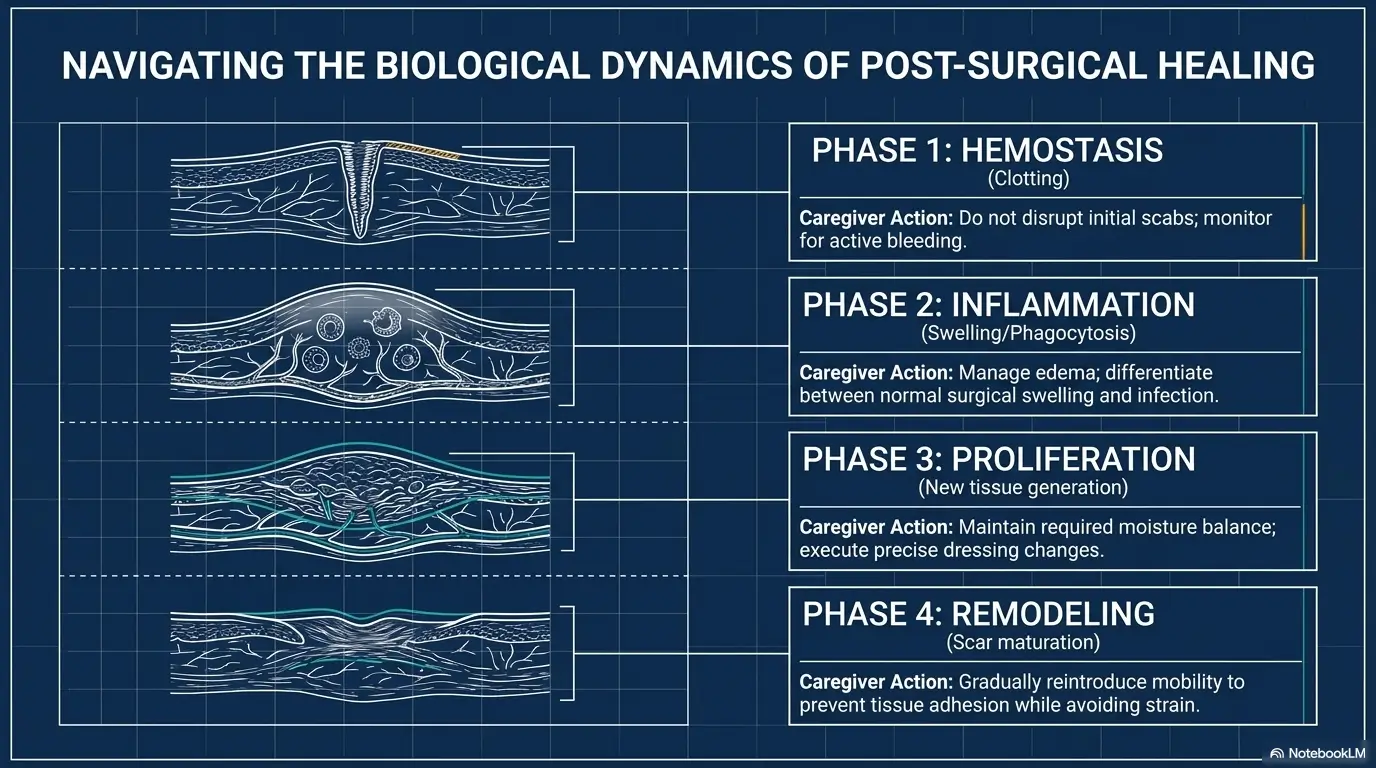
Neighbor help should never replace medical guidance. Contact your surgical team if you have concerns about pain changes, fever, bleeding, wound appearance, medication side effects, breathing problems, confusion, swelling, new weakness, or instructions you do not understand. If your discharge paperwork tells you to seek urgent care or call emergency services for certain symptoms, follow that direction.
The CDC and major medical centers consistently emphasize following discharge instructions and watching for warning signs after surgery. Your own surgeon’s instructions come first because they know your procedure, medications, risks, and recovery plan.
Arrange Professional Or Family Support For Hands-On Recovery Needs
If you need mobility assistance, wound care, bathing support, medication organization, transportation after anesthesia, or help getting in and out of bed, plan beyond neighbor favors. These are not signs of weakness. They are signs that your recovery has real logistics.
Some people need a family member for the first night. Others need a home care visit, a rehab plan, or assistive equipment. For bathroom safety after orthopedic surgery, guides on toilet seat riser height and showering after hip surgery can help you identify questions to bring to your care team before discharge.
Do Not Let Embarrassment Become The Plan
Embarrassment is a terrible project manager. It hides the hard parts, delays the call, and then acts surprised when the porch package becomes a mountain.
Needing more help is not failure. It is recovery logistics wearing a very human coat. Ask early. Ask clearly. And when the need is medical, risky, or hands-on, ask the right person.
- Use your surgical team for medical questions.
- Use trained or close support for hands-on care.
- Use neighbors for light, defined logistics.
Apply in 60 seconds: Put your surgeon’s phone number, pharmacy number, and emergency contact in one visible place.
FAQ
How do I ask a neighbor for help after surgery without sounding needy?
Ask for one small, specific, time-limited task. Instead of saying, “I need help after surgery,” try, “Would you be comfortable checking my porch for packages on Thursday afternoon?” Add “No pressure at all” and mention that you have a backup plan. That makes the request respectful instead of heavy.
What kind of help is reasonable to ask from a neighbor after surgery?
Reasonable neighbor tasks include mail collection, package checks, trash bins, brief text check-ins, watering one porch plant, feeding a pet with simple instructions, or adding one small grocery item to an existing trip. The task should be low-risk, brief, and easy to explain.
Should I tell my neighbor what surgery I am having?
Only if you want to. You can simply say, “I’m having a minor procedure” or “I’ll have lifting restrictions for a few days.” Share details only when they affect the task, such as not being able to bend, drive, climb stairs, or lift packages.
Is it rude to ask a neighbor for help if we are not close?
It is not rude if the request is small, respectful, and pressure-free. A one-time trash bin request is very different from asking someone to manage your recovery. Keep the task clear, include an easy decline, and avoid making them your only plan.
What should I do if my neighbor says no?
Thank them warmly and move on. Do not ask for a long explanation or make them feel guilty. A simple “No worries at all, thank you for getting back to me” protects the relationship and keeps the conversation clean.
How far ahead should I ask neighbors for post-surgery help?
For small tasks, ask several days ahead when possible. For anything involving keys, repeated check-ins, pet care, transportation, or money, ask one to two weeks ahead. Earlier planning gives your neighbor time to answer and gives you time to build a backup.
Should I pay a neighbor for helping after surgery?
Reimburse costs clearly for groceries, gas, parking, pet supplies, or pharmacy-related expenses. For labor-heavy or repeated tasks, offer payment or hire help. For a tiny one-time favor like bringing in bins, a sincere thank-you is usually enough unless they incur a cost.
What should I avoid asking neighbors to do after surgery?
Avoid asking neighbors for medical care, wound checks, bathing help, bathroom help, medication management, heavy lifting, risky driving, symptom judgment, or emergency decisions. Those needs belong with your surgical team, trained caregivers, close family, or emergency services as directed.
Next Step: Write One Tiny Ask Today
Choose The Smallest Task That Would Reduce Stress
Return to the kitchen scene from the beginning: the bin, the mail, the porch, the package, the pet bowl, the small thing that will become large when your body is busy healing. Choose one task that takes under 10 minutes and does not require medical judgment.
Make it almost boring. Boring is good. Boring is safe. Boring is a tiny bridge across the week.
Send A Two-Sentence Message Before You Overthink It
Use this fill-in template:
“Hi [Name], I’m having a minor procedure on [day] and will be limited for a few days. Would you be comfortable [specific task] on [day/time], only if it is easy? No pressure at all.”
That is enough. You do not need to polish it until it becomes a diplomatic treaty.
Save The Reply, Then Build Plan B
If they say yes, confirm the detail and thank them. If they say no, thank them and use your backup. If they do not reply, do not build a castle of interpretation in your mind. People miss texts. People get busy. People open messages while carrying laundry and then vanish into the soft fog of daily life.
The point is not to make neighbor help perfect. The point is to make recovery less fragile.
You began with the awkward question: how do you ask without feeling like a burden? The answer is smaller than fear says. Ask for one clear task, give one clear window, offer one clear exit, and keep medical or hands-on needs with the right support. Within the next 15 minutes, write the message for the smallest task on your list. Do not send your whole recovery story. Send the tiny ask.
Last reviewed: 2026-05.
Tags: surgery recovery, neighbor help, post surgery support, outpatient surgery, recovery planning
Meta description: Learn how to ask neighbors for limited help after surgery with clear scripts, boundaries, task ideas, and backup plans.